Moving into a new house is an exciting (and stressful) time. With so much to remember, it’s no wonder some tasks on the to-do list get forgotten.
But there are some things that remembering to do now, will save you lots of time and money later down the line. Here’s the 5 must-do things when moving into a new home.
What comes up on a house survey?
When you buy a new home, the survey report gives you a clear picture of the property’s physical and structural condition. They typically cover:
- Signs of subsidence, cracks or movement
- Any evidence of dampness, rot or woodworm
- Condition of the roof, chimney, gutters, walls and windows
- Quick checks of plumbing, electrics and heating systems
- Potential risks like asbestos, radon gas, flood risks, or nearby hazards
- Legal considerations, like unauthorized alterations or breaches of planning permission
Depending on the level of survey you opt for though, some complications may have gone un-detected.
This leads us to the first step on the list:
1. Give the whole house a once-over
Check the house carefully for any structural damage, faulty electrics, lock problems, or items left by the previous owners.
Anything that should have been included in the survey, but wasn’t, is a legal issue. But broken locks, missing keys and faulty plug sockets and switches need to be dealt with as soon as possible to keep your home safe and secure.
When dealing with faulty electrics in a new home, it’s best to call a professional right away. You’re unfamiliar with the system and attempting work can cause further damage as well as physical harm.
2. Change the locks
You have no idea how many copies of your new key have been shared out. The previous owners, their family, friends and neighbours may all have spare keys, and therefore access to your home.
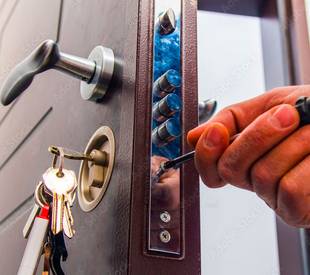
Because there’s no way of finding out how many copies exist, it’s best to change the locks altogether. Contacting a local locksmith to change the locks and cut you new keys keeps your house secure and prevents possible break-ins.
For more information on checking your new home’s locks are secure, check out our recent blog, ‘Why You Should Call A Locksmith When Moving House’.
Fast, Local, Trusted Locksmiths
24/7 professional locksmith services for homes and businesses
Get In Touch TodayTake meter readings
Check the meter readings right after you move in. This way, you won't pay for the previous owner's energy bills. Make a note of them and let the current suppliers know you’re the new owner.
How to take gas and electricity meter readings
Even if you’re thinking of switching energy providers, it’s still important to notify the current suppliers of your move and the readings.
Although there are different types of meters, they all work in a similar way. You’ll have separate meters for gas and electricity. They’re usually located in boxes in your kitchen, under the stairs, or outside your home.
If the previous owners didn’t tell you which supplier they were with, you can check online. This is made even easier if they installed a smart meter.
How to take a water meter reading
Regardless of whether you’re using a water meter or not, you’ll need to record a reading and pass it on to the supplier.
Start by locating the meter. Most are fitted outside, often under a small metal or plastic cover in your driveway, garden, or nearby path. Write down all the numbers displayed on the odometer, even those with a black background.
Find & inspect the fuse box and water valve
It’s always best to know where to turn electricity and water on or off in emergency situations.
If you have a power cut or need to carry out some electrical work, it’s necessary to know where the fuse is located. Similarly, should there be a leak or a burst pipe, turn the water off at the valve to prevent flooding.
A fuse box is usually located in the utility room, porch or cupboard. And the water valve is normally under the sink or in the airing cupboard. But don’t wait until an emergency to search them out!
Check your bin day
Moving is messy. You'll have piles of boxes, leftover clutter from the previous owners, and plenty of used cleaning supplies.
With all of that to deal with, you won’t want to miss the next bin day. Search up your local council to find out when bin collection day is and make a note of it.
Storing rubbish for too long not only creates unpleasant smells, but it can also attract pests, especially if there’s any food waste.
If you’re already noticing signs of a possible infestation, check out our previous blog, ‘What to Do If You Notice Signs of a Pest Infestation’ for guidance on what to do next.
Don’t Wait Until Pests Get Worse
Early treatment from Able saves you time, money, and stress.
Contact Able Pest Treatment TodayFinal Thoughts
There’s lots to remember when moving house, but some things need to take priority. Making sure all the essentials are accounted for makes settling into a new place so much easier.
If you've just moved into a new house, our expert team is here to help. We can update locks, handle pest control, and check the plumbing, drains, and electrics. Call us today to discuss your home improvement needs.