In commercial settings, pest prevention is a bit more than just a cleaning task.
The way people handle stock, waste, deliveries and equipment can reduce pest risk. And the way people handle those things can also make infestations more likely.
A warehouse with cluttered racking, a restaurant with bins close to the back door, or an office with food waste building up in staff areas are all opportunities for pests. Even when the premises look clean on the surface.
The most effective pest management plan looks at the whole building, not just the obvious places. It considers layout, access points, storage habits, waste flow, staff routines and seasonal pressure. Looking at these areas together, you are less likely to be dealing with an infestation.
Why Does Pest Prevention Matter?
A pest problem can mean contaminated products, damaged packaging, customer complaints, failed inspections and expensive disruption. For food businesses, pest control is linked to food hygiene and regulatory standards; the Food Standards Agency advises businesses to check premises regularly for signs of pests, keep buildings in good repair and condition, inspect deliveries and keep external areas tidy.
There is no legal requirement for every business to have a pest control contract. However, businesses must be able to demonstrate that they are actively managing pest risks. And a contract allows you to handle emergencies easier.
Which Pests Affect Different Types of Business?
Different businesses will face different pests.
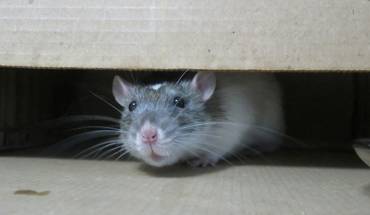
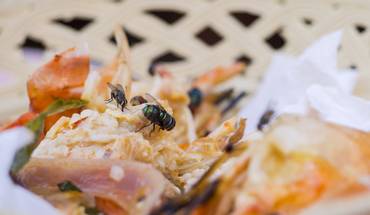
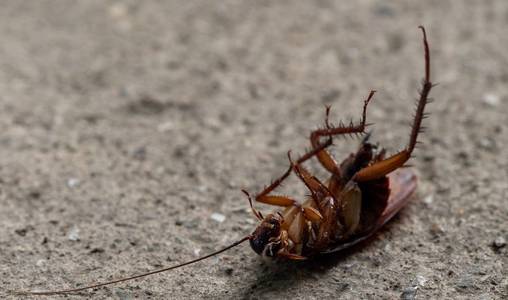
Food businesses, such as restaurants, cafés, takeaways, bakeries and food production sites, are vulnerable to rodents, cockroaches, flies, ants and stored product insects, such as beetles. Here, kitchens, dry stores, drains, delivery areas and external bins all provide the food, moisture and safe spots these pests need.
Warehouses and distribution centres often face a different pattern of risk. Rodents may exploit loading bays, pallet storage and quiet corners, while moths, beetles and other crawling pests can spread through goods if stock is not inspected and rotated properly. Birds can also become a problem around rooflines, loading areas and open structures.
Offices, shops and other customer-facing premises may appear lower risk, but they are not immune. Staff kitchens, vending areas, shared bins, stock rooms and service cupboards can attract mice, ants, flies and wasps. Fleas can also establish themselves in carpets.
In hotels and accommodation settings, common risks include bed bugs, cockroaches, rodents, silverfish and flies. Here, there is significant reputational risk because guests may notice problems and share their experiences publicly.
Pest prevention should be specific to the business, not a tick-box exercise. A site that stores dry goods needs different monitoring from a busy commercial kitchen, and a hotel needs a different approach from a warehouse.
Pest Control Regulations for UK Commercial Premises
Businesses have a legal responsibility to take reasonable steps to prevent pest infestations and maintain safe, hygienic premises. The exact requirements vary by sector.
Food Safety and Hygiene Regulations
Food Safety Act 1990 and Food Hygiene Regulations require businesses to protect food from contamination and maintain premises that minimise the risk of pest activity. Failure to manage pest risks can result in improvement notices, enforcement action, or in serious cases prosecution.
Environmental Health Officers may assess:
- Evidence of pest activity
- Building condition
- Food storage practices
- Cleaning standards
- Waste management procedures
- Pest control records
HACCP and Food Safety Management
Food businesses operating under HACCP principles must identify and control pest-related risks. This includes monitoring for pest activity, taking corrective action where necessary, and keeping records.
Health and Safety Responsibilities
Under the Health and Safety at Work etc. Act 1974, employers must provide a safe environment for employees, customers, and visitors.
Pest infestations can create health risks, contaminate products, damage equipment, and contribute to unsafe conditions within the workplace.
Look at the Building Layout, Not Just the Pest Problem
Building layout has a major influence on pest risk.
Pests often follow the easiest route through a site. They’ll travel from external waste areas to delivery doors, from loading bays into storage areas, or from service ducts into kitchens, plant rooms and staff facilities. You need to consider all these areas, otherwise you might end up treating the same problem over and over without success.
High-risk areas should be made easy to inspect and clean. Stock should not be pushed tight against walls; waste areas should not sit directly beside open doors.
In warehouses and distribution centres, racking layouts, pallet storage and quiet corners can all create the perfect nesting site if they are not managed carefully. In restaurants and food production sites, the relationship between kitchens, waste exits, drains and delivery areas is especially important.
Think about where pests would find food, water, shelter and an undisturbed route through the building.
Pest-Proof the Building Fabric
Many infestations begin through small structural weaknesses - gaps around pipes, damaged doors, broken drains, open vents, poorly sealed service ducts or defects around rooflines and cladding. Decaying organic material around the building’s edges will attract insects such as woodlice.
Door brushes, rubber seals, mesh screens and well-maintained drains can all reduce the chances of pests coming in.
Make Cleaning Part of the Site Flow
Food debris, spillages and residue often collect in predictable places. For example, beneath preparation counters, behind equipment, around vending machines, under racking, inside staff kitchens and near waste transfer routes.
Generic cleaning may cover visible surfaces but miss the areas that matter most for pest prevention. Look at the places where food is handled, where stock is stored, where waste passes through, where water gathers and where pests could hide undisturbed.
Rethink Storage, Stock Rotation and Deliveries
Poor storage makes pest problems harder to detect and easier to spread. This is particularly the case for food businesses, warehouses, distribution centres and retailers that hold large volumes of stock.
Where possible, keep stock off the floor and away from walls. This way, it’s easier to check for pests. Damaged packaging, old stock, cluttered pallets and goods that sit in one place for months can all give pests somewhere to feed or nest without being noticed.
Treat Waste Areas as High-Risk Zones
Waste is one of the biggest magnets for pests. Even a clean internal workspace can become vulnerable if external bin areas are poorly managed.
Treat those areas as integral in your pest control plan, not as an afterthought. Lids should shut properly, bins should not overflow, waste areas should be cleaned regularly, and surrounding clutter, weeds or pallets should be removed. Where possible, place bins away from entrances so they do not draw pests towards the building.
Give Staff a Role in Prevention
Any training doesn’t need to be complicated.
Staff should know what rodent droppings, gnaw marks, fly activity, cockroach evidence, damaged stock and bird fouling can look like in their own working environment. They should also know who to report sightings to, where records are kept and why small signs should never be ignored. Having clear reporting helps them act quickly.
Use Professional Pest Control as Part of a Wider Plan
Professional commercial pest control is about more than treating visible pests.
A good commercial pest control programme connects treatment, monitoring and prevention. That might include site surveys, monitoring points, proofing recommendations, targeted treatments and written reports.
For businesses with food safety, hygiene or audit requirements, regular pest control visits meet regulatory requirements and show that pest risks are being managed proactively.
Why DIY Pest Control Is Not Enough for Most Businesses
DIY pest control products deal with individual pests, but they don’t solve the reason pests are present. In commercial settings, that can mean hidden nests, breeding sites, structural defects and contaminated areas are left untreated.
This can lead to repeated treatments, higher costs and greater disruption. Professional pest control is safer, faster and more effective for businesses that need to protect customers, staff, stock and compliance standards.
Final Thoughts
The best way to prevent pest infestations is by removing the conditions that attract pests and checking for early signs of activity.
If you are concerned about pest risks on your site, a professional inspection from Able Group can identify vulnerabilities and recommend practical steps to keep your business protected. Call Able Group to discuss it today.

For Pest Free Homes and Businesses
Expert pest control for homes and businesses.
Call For a No-Obligation Quote