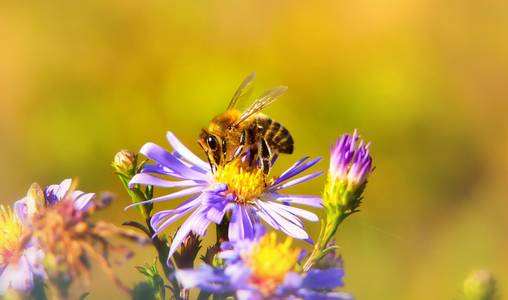
With the warmer weather, comes bees. Whilst we want to encourage their arrival and vital work, having them in your home is less than ideal. Honeybees create nests that harm both its structure and appearance.
Knowing the cost of a bee infestation on your property allows you to take preventative measures that can protect both the bees and your home.
Why are bees important for the environment?
Food crop
Many of the UK’s crops rely on bee pollination. While pollination can occur incidentally via the wind, animals, or other insects, bees are specialised for the process. This means they can pollinate faster and on a larger scale.
Livestock
Arable crops that are used for animal feed, like wheat, pulses and oilseeds, benefit from bee pollination. Without bees, feeding livestock and the production of meat, egg and dairy products would be considerably harder.
Maintenance of the ecosystem
Bees sustain our ecosystems. They support a functioning food chain by pollinating wildflowers and trees, which provide food and shelter to other animals, including other insects. These insects are prey for birds, bats and other mammals, and so the food chain continues.
How do bee nests damage your home?
Secondary pest infestations
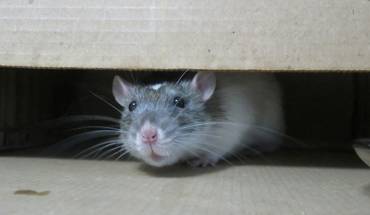
Honeycomb in honeybee nests can attract other insects and mammals. Rodents, ants, and moths could become a problem if a honeybee infestation is not dealt with immediately.
Moisture
Bee nests are high in activity; this creates humidity and results in moisture damage. Moisture builds up, freezing and thawing repeatedly. This constant expansion and contraction create cracks in the building.
Structural damage
The weight of honeycomb and the bees’ activities can put pressure on roof structures. This may result in the entire affected section needing to be removed and rebuilt, particularly if moisture has caused rot or decay.
Corrosion
Honey and beeswax can cause corrosion over time. Honey is slightly acidic and contains moisture. The combination of acidity and moisture can accelerate the corrosion of metals, especially iron or steel. This affects nails and hardware in your home.
Odour
As honeycomb breaks down and bees die off inside your home, an unpleasant odour can develop. This smell permeates building materials, lingering long after the bees are gone, making it hard to eliminate.
Aesthetic damage
Bees nesting in chimneys, roofs, and walls also cause aesthetic damage. Honey stains, crumbling plaster, and damaged paint are common problems. Brick deterioration is also possible when a nest interacts with exposed brick. This damage is not only unattractive, but it also devalues the property.
Allergic potential
Bee venom can be fatal for those allergic to it. Even if the bee colony isn’t aggressive, accidental stings can still be dangerous. Continued proximity to a large number of bees increases exposure to allergens.
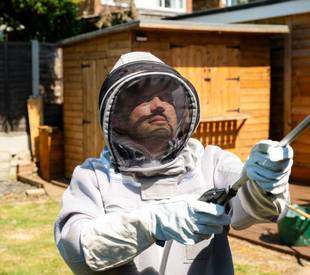
How to prevent bees nesting in your home?
It’s easier to prevent bees nesting than to remove them, and it’s safer for the bees. So whether you’ve just had an infestation neutralized or are wanting to reduce the risk of future infestations, here are some preventative measures you should consider. If you think you’re living with an infestation, check out our article - Do You Have Bees and What To Do If You Have Them?
Environmental protection
The reason bees nest in our homes is due to the lack of natural architecture to live in. So, as a general consideration, protecting woodlands and building bee hotels in safe spaces helps to provide bees with cavities to build their nests and keep their vital work going.
Mesh covering
Prior to infestation or after removal, use mesh to cover the top of your chimney or other small holes around your property. The mesh should be fine enough to prevent bees from entering.
Sealant
Seal any cracks or fine lines around your property, including the stack of your chimney. Bees can enter through spaces measuring just a quarter of an inch, so patching up any possible entryways is crucial in preventing infestation.
Decluttering
Clearing any outdoor clutter reduces the chance of bee infestations. Unused appliances are attractive spaces for bees to build nests. They are looking for somewhere solitary, dry and often elevated, but any neglected space can foster infestation.
Clearing leftover honeycomb
Inside a honey bee colony, not every worker is focused on building from scratch. Some take on a more opportunistic role, scouting for poorly defended or abandoned nests that still contain stores of honey. From an energy perspective, it makes sense. Recovering existing honey requires far less effort than producing it anew.
If a discovered site proves suitable, the opportunity can go beyond a simple raid. A new queen may establish herself there, expanding the colony by building upon what’s already in place. While efficient for the bees, this behaviour can pose challenges in human structures. Chimneys, in particular, can become problematic. As the nest grows over time, so does its weight, increasing the risk that a large section could eventually detach and fall into the fireplace below.
Final thoughts
Bees are vital for survival and an eco-diverse planet. But when finding somewhere to set up a nest, your home isn’t suited for the job. Instead, invest in preventative measures and fostering green environments that allow bees to prosper without causing damage to your property. For more information on when to call in professionals, take a look at our blog, The Right Time to Call for Pest Control.
If you’re dealing with a bee nest or activity in your home, our trained pest control specialists at Able Group are here to help. We follow current guidelines, prioritising safe and responsible methods to manage the situation and where possible, protect and relocate bees rather than destroy them. Contact our team for advice and assistance.