When it comes to pest problems, every online retailer, supermarket and hardware shop guarantees they have the solution. One of the most popular are ultrasonic pest repellers.
They’re the little plug-in boxes that are meant to drive rodents and insects away with their high pitch. But there’s mixed opinions all round - so do they actually work?
What are ultrasonic pest repellers?
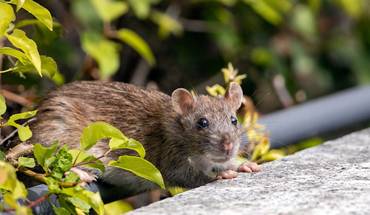
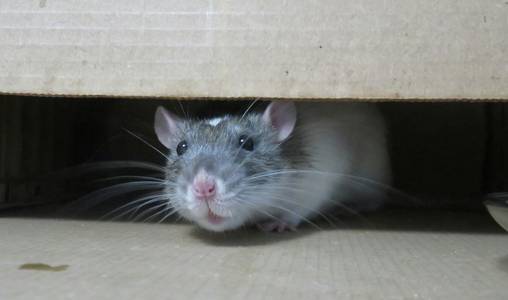
Ultrasonic pest repellers emit high-frequency sound waves designed to repel rodents and insects. The sound waves created by these products are above 20 kHz, which is higher than what human ears can hear. Instead, the sound targets rats, mice and bugs.
The high pitch is meant to irritate the invading species and deter them from nesting near the source of the noise.
Why do people use them?
Advertised as a chemical-free form of pest control, they’re low maintenance and inexpensive to buy, making them seem like an ideal preventative measure.
However, their effectiveness has been called into question over the years. No matter how low in cost they are, purchasing one could still be a waste if it doesn’t do its job.
How effective are ultrasonic pest repellers?
At first glance, these plug-ins sound perfect, simply attach them to a socket and let them do their job. But they do have their downsides, so let’s re-evaluate their effectiveness to see if they’re a viable solution for you.
Adaptation
While researchers have found that using higher quality ultrasound generators can disrupt mating or eating habits for certain animals, these generators are grades above anything available for the average consumer.
The ultrasonic repellers stocked in your local DIY shop can’t mimic the complicated patterns of those used by researchers. Rodents and insects may be put off by the high-frequency sounds at first, but overtime they adapt to ignore the noise if food and shelter are available.
Limited range
Because the sound waves for these devices can’t pass through furniture, thick curtains, or walls, your home will have ‘dead zones’, which the waves are unable to penetrate.
Installing a single ultrasonic plug-in won’t prevent pests getting into your home, at best, it will protect one room from infestation.
No impact on insects
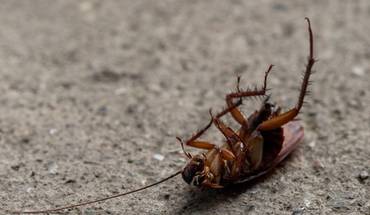
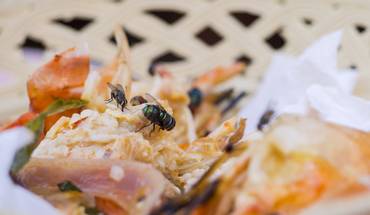
Insects, like spiders, ants and cockroaches have different auditory systems to rodents. As a result, most common household insects are mostly oblivious to ultrasonic frequencies. Meaning it has no deterrent effect.
In fact, high-frequency sounds can have an adverse effect on some insects, increasing biting and crawling activity.
What should you do instead?
Instead of an ultrasonic pest repelling device, which is largely ineffective, opt for a more proactive, preventative approach:
Eliminate entry points
Seal any cracks, holes or weak points in your home to prevent rodents and insects from getting in. Be sure to check around pipes and vents too. Birds may also nest in your roof or chimney if there’s any gapping or loose tiles.
Remove food and water sources
Avoid leaving food around the house. Keep any leftovers in airtight containers and clean up crumbs immediately. Any leaking plumbing should also be fixed as quickly as possible. Without a food or water source, any nesting rodents and insects will soon lose interest.
Clean regularly
Rats and mice in particular want somewhere undisturbed to nest. If you’re regularly cleaning and moving around objects and furniture, they’re less likely to choose that space to live.
Professional help
When in doubt about the best course of action, contact a licensed pest control expert for repeated or severe infestations.

Don’t Wait Until Pests Get Worse
Early treatment from Able saves you time, money, and stress.
Contact Able Pest Treatment TodayWhen should you call a professional?
Whether you see them scurrying around or are noticing signs of pest-related damage, call a professional immediately. Calling an expert can be the difference between a pest-free house and an out-of-control infestation.
Don’t rely on ultrasonic repellers if you’re already dealing with an infestation. If the pests have already nested in your home, the high-pitched prevention isn’t doing its job.
Call a professional after noticing:
Signs of damage
Check your wires for gnaw marks, holes in any drywall, staining around walls and ceilings, or greasy tracks along baseboards. All of these are tell-tale signs of an infestation in your home.
Risks to health and safety
If you’ve noticed a wasp or bee nest in an entryway or in your home, this is a health risk to anyone with allergies. Similarly, if you see bugs or rodents around food preparation areas, like in your kitchen, this is also a health risk.
For more information, check out our previous blog ‘The Health Risks of Pests in Food Premises’.
Tackling the infestation early prevents severe stings, injuries and possible spread of disease.
Recurring infestations
When you’ve tried everything, but you can still hear scratching sounds or are finding fresh droppings, the methods you’re using aren’t tackling the root cause of the problem. A pest control specialist will look at the signs of the infestation and decide on the most effective course of action that will resolve all underlying issues.
Uncertainty
Trying to get rid of an infestation when you’re not sure what you’re dealing with is a pointless effort. How effective sprays, powders and other preventative measures are depends on what you’re attempting to clear out.
An expert can distinguish exactly what you’re dealing with. By correctly identifying the cause of the infestation, treatment is made much easier.
If you’re not sure whether you’re dealing with an infestation, read our previous blog ‘Pest Infestation: The Warning Signs To Look Out For’.
Final thoughts
When trying to prevent your home from becoming a site of pest infestation, ultrasonic pest repellers are a method to avoid. Instead, invest in prevention that’s proven to be effective, and when necessary, call a professional to help you tackle your pest problem.
If you’re currently dealing with a pest infestation, our team of pest control experts are here to help. Give us a call today to discuss the next steps in getting your home pest-free.