In the middle of a summer, it’s difficult to imagine turning your heating on. But the UK’s weather is unpredictable, and as colder months approach, those days of brisker temperatures are on the horizon.
Before the thermostat drops too low, take some time to check your home’s heating system. Spotting a problem with your boiler or radiators now means you can resolve it well before you need to use them.
Check for heating system faults
Carrying out some simple checks before switching on your central heating helps you to spot a problem before it results in a full boiler replacement.
If you notice any of the following, contact a Gas Safe engineer to take a look at your boiler:
- The pilot light keeps going out
- Unusual or loud noises
- Your boiler or radiator is leaking
- The heating isn’t coming on or isn’t warm enough
- The boiler pressure is consistently too low or keeps dropping
For general concerns, it’s a good idea to have a boiler service to make sure everything is working as it should.
Service the boiler
As summer comes to an end, most people haven’t had their heating on for months. So, before you start putting it back to work, employ a Gas Safe engineer to make sure everything’s running as it should.
Annual boiler checks are strongly recommended for homeowners. Some warranty agreements and insurance providers add clauses in their agreements to make sure you have regular services.
Landlords are legally required to arrange an annual gas safety check for gas appliances and flues they provide, carried out by a Gas Safe registered engineer. It’s a good idea to get these things done before the colder months because:
- Gas Safe engineers generally have more availability when demand is lower.
- Parts can be ordered in before winter begins.
- You can resolve any issues before the cold weather kicks into full force.
For more information on summer boiler services, check out our recent blog - Boiler Servicing: Reasons To Book During The Summer Months.
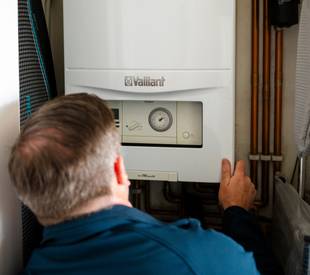
Bleed your radiators
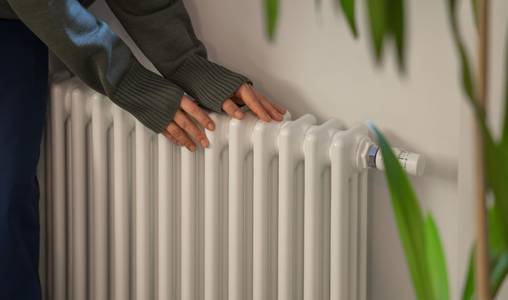
Before you start using your heating regularly, check if any of your radiators need bleeding first. This makes sure they’re all working as efficiently as possible and means your boiler doesn’t have to work as hard to get your home warm.
Bleeding a radiator releases trapped air from the system, which can prevent the radiator from heating evenly. If your radiators make unusual sounds or have cold spots, it could mean they need bleeding.
How to bleed a radiator step by step:
- Turn the heating on. Check the radiators around your home for cold-spots or unusual sounds, taking care not to burn yourself.
- Switch the heating off, making sure the radiators have completely cooled.
- Place an old towel and container under the radiator that you’re working on.
- Find the valve.
- Using your radiator key or screwdriver, turn the valve anticlockwise to open it.
- You only need to open it slightly, until you hear the hissing noise. This is the air escaping.
- When all the air is released, water will begin to pour out, catch this with your container.
- Re-tighten the valve once the sound stops and the water begins.
For more guidance on problems with your radiator, check out our previous blog - Everything You Need To Know About Your Radiator.
Check for drafts
Don’t just check your heating system, take a look around your home’s fixtures to check for drafts.
Even a perfect heating system won’t operate as efficiently as possible if all the warmth being generated is lost to a draft.
Draft-proofing your home is simple and cost-effective. It’s an easy way to keep your home as energy efficient as possible.
Areas to check for drafts:
- Windows
- Attic
- Walls
- Door frames
Filling any gaps saves you energy, money, and means your boiler has to do less work - helping it to stay healthier for longer.
Gradually switch your heating on
Running your heating briefly before you need it regularly, gives you an opportunity to identify problems early.
Having it on for little bursts in the build-up to winter helps to:
- Check that the heating system is operating normally before you need it regularly.
- Identify unusual noises, leaks or heating problems early.
During the chillier September evenings, begin switching the heating on for an hour or so. This helps your heating system transition from being entirely unused to back in action.
While it’s tempting to switch your heating up to the highest temperature to get the cold out quickly, the best way to preserve your heating system is to use it with care. Setting the temperature higher than necessary wastes money and energy.
Instead, turn the heating up a degree at a time. For many households, a comfortable indoor temperature is around 18–21°C, although the ideal temperature is personal. Turning the thermostat up won’t make your home heat faster, it just means it will reach a higher temperature.
Final thoughts
Checking your home’s heating system before you begin using it regularly again means you can correct any problems in advance. This means that when you need it, it’s there.
If you need a boiler service or just some advice on your home’s heating, get in touch today, and one of our Gas Safe registered engineers will make sure your heating is ready to go when winter comes.
Certified Gas Engineers Near You
Local service, trusted results, competitive pricing.
Book an Able Engineer Today