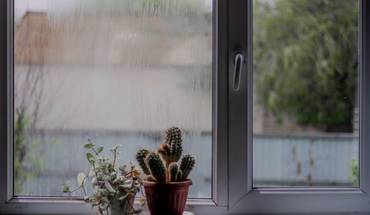
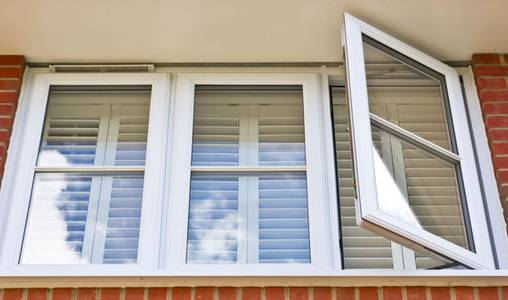
Cracks, condensation between the panes and damaged frames. These are some obvious signs that your double-glazing needs likely replacing or repairing.
You might also feel draughts near the frames, struggle to open and close the windows, or notice an unexpected rise in your energy bills.
Your windows are important for your comfort and security. But if you see a crack, or a faulty seal is causing a draft, don’t worry. As long as the frame is sound, our professional glaziers can handle that without the need for replacing the whole window.
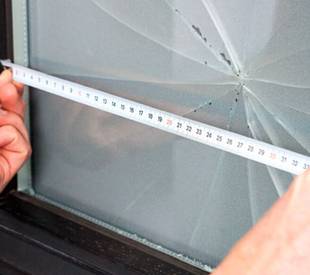
Need Emergency Glazing?
Emergency boarding and glass replacement services you can rely on
Call Us For Emergency Glazing NowWhat’s the Average Lifespan of Double Glazing in the UK?
In the UK, many modern homes have windows more than 20 years old. At the time of installation, these windows were cutting-edge, but everything has a shelf life. And advancements in window technology and better energy efficiency standards mean older units often underperform compared to modern ones.
Most modern double-glazed windows can last between 20 and 35 years. If windows have passed the 20 year-mark, it doesn’t mean they will suddenly fail. But after two decades, many units begin to show their age, especially if they’ve been exposed to tough weather conditions.
Several factors affect how long your windows will last:
- Weather conditions: Coastal winds, frost, and intense sun can all accelerate wear. In exposed coastal areas, salty air can corrode aluminium frames faster, while inland areas with higher rainfall may see timber frames swell or rot if not protected.
- Frame type: uPVC windows resist most weather conditions and do not rot, but they can expand and contract slightly in heat, which may affect the seals over time. Timber frames can last a very long time if painted and sealed regularly, but untreated wood absorbs moisture, leading to swelling or decay. Aluminium frames are strong and slim, but in older installations without thermal breaks, they can conduct cold into the home and may corrode in coastal environments.
- Installation quality: Even the best materials can underperform if the installation wasn’t square, level, or well-sealed. Poor fit can lead to early seal failure and warping.
- Maintenance: Windows that are cleaned regularly and checked for damage tend to have reduced wear and tear over time. Lubricating hinges and inspecting drainage holes can also help prevent moisture build-up.
If your windows are over 20 years old and showing signs of problems, they might be reaching the end of their useful life.
Why Does Condensation Form Between the Panes?
This is one of the most common signs that a glazing unit is starting to fail.
Condensation happens when water vapour in the air meets a cold surface and cools to its dew point, which causes it to turn into liquid droplets. In a healthy double-glazed window, the sealed gap between your window panes contains dry air or an insulating gas, and there will be no moisture. When the seal fails, even slightly, outside air carrying moisture seeps into that gap. As temperatures drop, the moisture cools against the inner surface of the glass and forms mist or droplets that you cannot wipe away from either side.
Not only is it annoying, but means the insulating gas has escaped and the window has lost much of its ability to retain heat. If left too long, the trapped moisture can lead to staining and mineral build-up between the panes, permanently affecting visibility.
You can get fixes for condensation between the panes, but often it’s not permanent and the long-term solution is to replace the glass unit.
If you've noticed that your windows are misting, contact Able today. We specialise in providing glass replacement which will help to eliminate the problem and improve energy efficiency in your home.
Draughts Around the Frame
If you feel a flow of air near the window even when it is fully closed, the outside air is finding its way in. Perhaps the seal around the frame has worn down, or the frame has shifted slightly over time. Houses move and settle, and even a small shift can create enough of a gap for cold air. It’s also normal for uPVC frames to expand slightly in warm weather and contract in the cold. Over many years, it can weaken the rubber gaskets designed to seal the window shut.
Timber frames absorb moisture from the air or rain, swell slightly, and then shrink again as they dry. This can slowly open hairline gaps around the edges where air can seep in without being immediately visible.
Replacing the worn seal or re-aligning the window can solve the problem. But if the frame has warped or the window no longer sits correctly you will likely need to replace the glazing unit.
While we do not install frames, our experts offer comprehensive glass replacement services providing your window frames are in good condition. Feel a draught around your windows? give our friendly team a call for a free quote and expert advice.
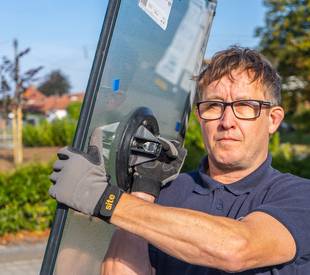
Problem Window or Door? We’re On Our Way
Glazing, Emergency glass repair and boarding up, 24/7.
Call Our Glazing Experts For A Free QuoteDo New Windows Really Help Lower Energy Bills?
Modern double-glazed windows are engineered with tighter seals and modern weatherproofing, so they close more securely and prevent unwanted airflow.
They use low-emissivity glass coatings that reflect heat back into the home and gas-filled gaps between the panes to slow down heat loss. Less warmth escapes through the glass, and the room stays at a more stable temperature without relying heavily on the heating system.
According to the Energy Saving Trust, replacing single glazed or very old, double-glazed units could save up to £150 per year on heating bills. Improved insulation also benefits households where consistent warmth is important, such as those with children, older residents or anyone who spends long hours at home working.
Should I Consider Triple-Glazed Windows?
Triple glazing adds a third pane of glass and another insulating gap. This can offer:
- Better energy efficiency, especially in colder regions or for north-facing rooms
- Even lower noise transmission, which is helpful near busy roads or flight paths
- More stable indoor temperatures in areas where cold is more extreme, or exposed rural properties
Triple glazing typically costs around 20 to 30% more than double glazing. While it’s not always necessary in milder climates, it can be a smart long-term investment if you want energy efficiency or a reduction in outside noise.
Step-by-Step: How to Check Your Windows
- Look for internal condensation between the panes of glass. The seal has failed, and the unit is no longer insulating effectively.
- Look for obvious cracks in the glass. A crack or broken glass in your window pane is an obvious sign of problems. It could also affect the security of your property.
- Run your hand around the frame on a cold or windy day. Any cold spots or breezes suggest air is leaking in.
- Open and close the windows. If it’s difficult to move, doesn’t lock properly, or sticks, it could mean the frame is warped or hardware is worn.
- Inspect the frames for signs of cracking, rot, or warping. This applies especially to timber frames but can affect uPVC windows as well.
- Note any changes in noise coming from outside. Increased external sound is often a clue that the glazing isn’t insulating as it used to.
What If Only One Window Is Failing?
If only one or two windows are showing signs of failure, start with those. This can be a cost-effective way to improve performance and comfort without a major project. But keep in mind, new windows are often visually different from older ones.
And if all your windows were installed at the same time, others may be close behind. It might be more economical to replace your double glazing windows together.
Repair or Replace - Which Is the Better Choice?
Whether to repair or replace depends on the age of the frames, the condition of the glazing and the type of fault you are dealing with.
Loose handles, damaged hinges or a small gap in the seal can be repaired without replacing the whole unit. If the glass is compromised a glazing specialist can refit a new sealed glass unit into an existing frame or replace worn gaskets to restore insulation.
Full replacement becomes a long-term solution when the frames are warped, rotting or visibly damaged. If multiple windows are showing signs of failure, such as condensation between the panes, draughts and difficulty closing, repeatedly repairing one unit at a time may end up costing you more than replacing them together. New windows also come with updated energy ratings, warranties and improved seals that older frames cannot always match.
Final Thoughts
When a window fails, it can let in cold air and make your home less comfortable.
If you notice issues, it’s time to start considering your options. Replacing your double-glazing windows can boost your comfort, improve your property’s energy efficiency and even increase your property’s value. New installations usually come with better sealing, stronger security features and modern glass coatings that reduce heat loss.
Contact Able Group for a free, fixed price quote!
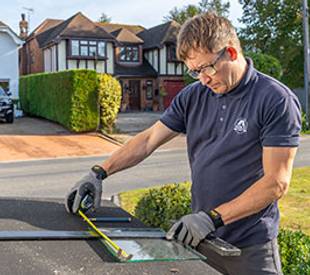
Expert Glaziers Near To You
Fast, 24/7 glazing repairs for homes and businesses.
Contact Us For A Free Quote TodayHow long should double glazing last?
Most double glazing lasts around 20 to 30 years, depending on the quality of materials and installation. Weather exposure, frame type, and maintenance also affect how long it stays effective.
What are the signs my double glazing has failed?
You might notice condensation between panes, draughts, difficulty opening or closing windows, or visible damage to seals. These are common signs that you might need a replacement.
Can misted double glazing be repaired?
Misted-up units can sometimes be repaired by replacing just the glass unit instead of the entire window. However, if the frames are damaged or old, full replacement may be more cost-effective. And repair might only be a temporary fix.
Does replacing double glazing really lower energy bills?
In combination with better insulation, modern double glazing can reduce heat loss. Improved insulation means less energy is needed to heat your home, lowering energy costs over time.
Is it better to repair or replace old double glazing?
Minor issues, such as sealant wear or loose hinges, can often be repaired. But if windows are over 20 years old or no longer energy efficient, replacement is usually the smarter long-term choice. Constant repair costs will add up.
Can I replace just one window?
Individual windows can be replaced if only one or two are faulty. However, for older homes, replacing all units together can mean consistent insulation and appearance. It may be more cost-effective in the long run.
Do new double-glazed windows add value to a property?
Modern energy-efficient windows improve kerb appeal and reduce energy costs, which can increase a property’s value and appeal for potential buyers.