It’s easy to say ‘I could do that’ when watching a professional in action. Their skill and experience make it look easy. And with a ‘how-to’ tutorial for everything just a click away, you might think, why not give it a go?
We’re not opposed to a DIY or two. But there’s some jobs that need to be left to the experts. If you’ve got some home improvement tasks on your plate and you’re not sure which ones to try yourself, here’s how to draw the line between DIYs and professional repair tasks.
The Appeal of a DIY
DIY is all about tackling a job yourself that would usually have been left to a professional. But why do we love the thought of carrying out the work ourselves when we could let an expert take it off our hands?
The Satisfaction of a Job Well Done
Successfully completing a project yourself is a great feeling. Many homeowners enjoy learning new skills and take pride in making home improvements without needing to employ a professional to help.
Labour Cost
Probably the biggest draw to DIY, you save on labour costs. Paying for a professional’s time and experience can be expensive, so the thought of cutting all that out is appealing, to say the least.
Flexibility
The freedom to start a project and put it on pause as you wish is also a perk. Working on your own schedule means you don’t have to worry about workers coming and going or organising a time that fits around your other responsibilities.
The Risks of ‘Doing it Yourself’
While the saved labour expense, successful job satisfaction and flexibility sounds perfect, it’s not always realistic. DIY always starts with optimism and good faith, until something goes wrong or an unexpected issue appears that brings work to a halt. This, of course, can happen on professional jobs too, the difference is the experts know what to do next.
The Cost of Fixing a Problem
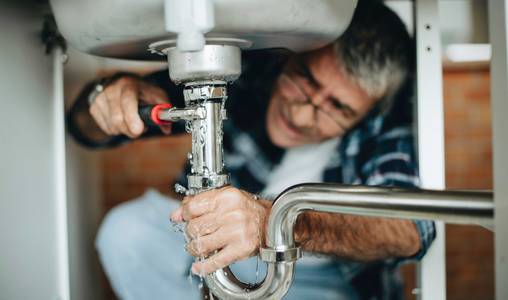
Cutting costs can result in paying out more for repairs than you would have to hire a professional to do the job from the start. Making mistakes when DIY-ing isn’t only annoying, they’re expensive. Incorrectly installing a plumbing part, for example, is a costly fix and can blow the budget way out of the original estimation.
The Risk to Safety
There are some home improvements that have to be left to a professional, for example, gas work should only be carried out by a Gas Safe registered engineer. In the UK, anyone carrying out gas work as part of a business or service must be Gas Safe registered, and homeowners should never attempt repairs or alterations themselves.
Some deceptively complicated jobs can end up risking your safety and security when not done properly. Think of an incorrectly wired light switch, a poorly fitted lock or an improperly installed plumbing connection. Seemingly minor mistakes can create serious problems, including electric shocks, security vulnerabilities, water damage or fire risks.
Checking Legal Compliance
Certain types of building, electrical and gas work may need to comply with building regulations, certification requirements or safety standards. Failing to meet these requirements could affect property sales, invalidate warranties or insurance policies, or create legal complications later.
When is DIY on the Table?
Straightforward projects that pose no real risk to safety and can be easily fixed if they don’t go to plan are the ones to try yourself.
Calling a professional isn’t always necessary. So, where there’s little opportunity for damage there’s no harm in having a go yourself. A couple examples are minor plumbing blockages that can be cleared with a plunger or bleeding the radiators to improve your home’s heating.
When Not to Compromise on Expertise
There are some jobs you should never compromise on. Gas work, major electrical work and complex plumbing repairs should be left to qualified professionals.
Gas problems must legally be dealt with by a registered Gas Safe engineer, so this isn’t compromisable.
Smaller electrical jobs can fall into DIY or professional categories, for more guidance on tasks like this, check out our previous blog, ‘How To Change A Light Switch’. As a rule, never undertake an electrical task you’re not completely confident you can handle
Advanced plumbing repairs include pipework alterations, leak repairs or hot water system work.

No Heating? No Problem
We’re here 24/7 to get your gas and heating back in action.
Book a Gas Safe Able Heating Engineer NowTo DIY or Not to DIY: That is the Question
Before beginning any task, ask yourself some questions to make sure you’re ready to complete the job:
- Do I completely understand all the necessary steps involved?
- Does this work require a permit or inspection to meet legal requirements?
- Am I relying on someone else for instruction?
- Do I have enough time to complete this work accurately?
- Do I have the correct tools and equipment, and know how to use them safely?
- Do I know what to do next if something goes wrong?
- Will making a mistake cause considerable damage to the property?
- Is there a considerable risk to my safety or the other occupants in the property?
Final Thoughts
Whatever the nature of the job, if you’re not confident in carrying out the work, leave it to a professional. An expert will have the skill, tools and experience needed to do the job properly and safely. When deciding to DIY, you should feel capable, prepared and aware of necessary safety advice and guidance.
If you’re ever unsure when tackling home improvements, it’s best to contact a professional to avoid serious accidents or expensive property damage. If you need guidance on any kind of upgrade, repair or replacement, contact our friendly team on 0330 108 4111