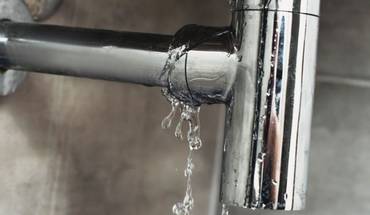
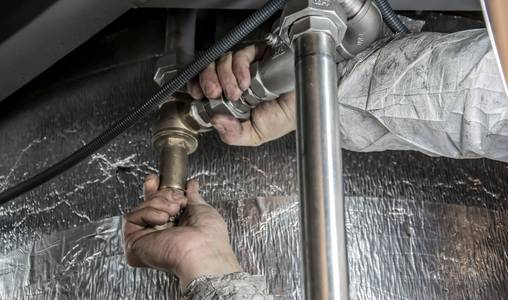
One expense that no business owner wants to spend money on is plumbing fixes. But when your workspace springs a leak, has a burst pipe, or the water is cut off, the impact can be both inconvenient and costly.
While reactive repairs may seem more affordable in the short term, regular proactive maintenance is critical to making your business the most cost-effective and efficient as possible.
Maintenance management not only protects your plumbing but means you’re less likely to be paying out for constant repairs and holding up work because of a system failure.
What is a proactive approach to plumbing maintenance?
Proactive, or planned maintenance revolves around trying to identify and prevent potential plumbing issues before they spiral into high-cost problems. This differs from reactive maintenance which is when you only address a problem once it’s already happened.
Key differences between proactive and reactive maintenance
Proactive maintenance
- Revolves around carrying out regular maintenance and checks to spot small warning signs for more complex problems. This allows you to spot an issue early and call a plumber or engineer to fix it before it gets worse.
- It saves cost in the long run by preventing your business from having to stop operation and pay out for high-cost part replacements and emergency call-out fees.
Proactive maintenance
- Reactive maintenance means only addressing a problem after it’s happened. For example, calling an emergency plumber out after a pipe has burst.
- It has a higher cost because of emergency callout fees, ordering in replacement parts, and lost business productivity during system failures.
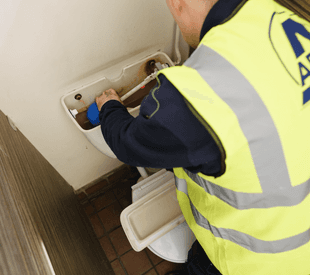
Your Trusted Local Plumbers
From tap repairs to full installs, we’ve got your plumbing covered.
Contact Us For A Free QuoteBenefits of proactive maintenance
Taking a preventative approach through proactive maintenance offers a lot of benefits for your business.
Saves on cost
Regularly checking your business’s plumbing system means you’re less likely to have to pay big costs to cover emergency repairs, replacement parts and business closures.
When a plumbing emergency happens, you have very little choice about what to do. If a pipe bursts, it must be replaced. If a drain is blocked, it needs to be unblocked. By keeping on top of plumbing maintenance, you can minimise a problem’s impact.
Your system lasts longer
Commercial plumbing works hard to accommodate a lot of constant use. Unlike a domestic system, your business’s pipes, valves and fittings are being used by tens or hundreds of people daily.
Carrying out regular maintenance makes your plumbing last longer. This makes sure you get the most out of your current system and means you’re less likely to have to constantly repair or replace parts.
Better safety standards
Blocked drains cause unpleasant smells, and having no hot water is inconvenient. But if your business falls under the hospitality, healthcare, education or food production sector, plumbing problems aren’t only annoying - they can be a compliance concern.
Proactive maintenance checks that your plumbing meets health and safety standards and regulatory requirements. Spotting potential hazards and calling a professional to make repairs allows you to create a safer workplace for your employees and minimises legal risks.
Improved business efficiency
A strong plumbing system keeps your business at its most efficient and productive. Minimising plumbing emergencies like burst pipes, cut off water and leaks mean your business won’t be paused by any plumbing-related disruptions.
Plus, preventing any slow leaks or burst pipes also conserves your water supply, making your business more energy efficient.
How to implement a proactive approach to plumbing maintenance
Different businesses have different requirements. Implementing a plan for a restaurant will look different from an office, or warehouse for example.
When you’re arranging proactive plumbing maintenance, you need to plan carefully to make sure it’s practical and sustainable.
A solid plan will cover:
- Regularly inspecting pipes, valves, taps, aerators and fittings
- Scheduled drain inspections and cleaning
- Checking for leaks, damp and corrosion
- Toilet, tap and washroom maintenance
- Water pressure testing
- Boiler checks, carried out by a registered gas-safe engineer
- Staff training on proper disposal of waste
- Provisions of sanitary waste bins
- Grease trap and kitchen drainage for food prep areas
The key thing to remember with proactive maintenance is to do it consistently. Carrying out checks sporadically is fine, but regular checking and maintenance gives a better idea of how your plumbing system is doing over time.
Found a plumbing fault?
If a maintenance check shows up an issue that’s a good thing as you can now address the problem before it becomes a bigger issue.
Calling a plumber or engineer to look at a blocked pipe, dodgy valve or leaky sink is much easier than dealing with a flooded warehouse or an office with no water supply.
When you find a fault in your business’s plumbing system, get in touch with a professional plumber to organise the necessary repairs. They’ll solve any issues quickly before they spiral out of control.
Final thoughts
Planned maintenance encourages reliability, efficiency and safety in commercial buildings. Implementing a proactive approach to plumbing maintenance, reduces costs and keeps your business compliant with all health and safety regulations.
Sometimes accidents happen, and even with the upmost care you can’t avoid a surprise plumbing problem. In this scenario we can send out an emergency plumber to resolve the issue quickly, no call-out charge needed. Contact the friendly team at Able Group today!
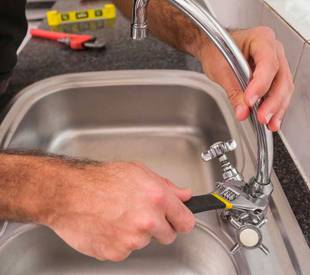
Professional and Friendly Plumbing Services
Fully accredited, experienced and ready to help your home or business.
Schedule Your Visit