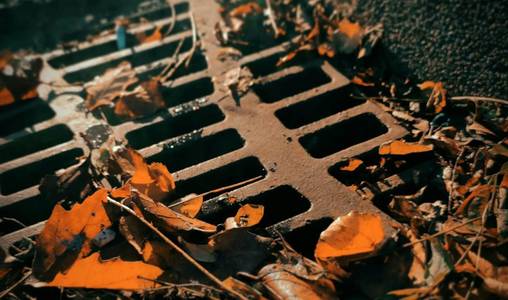
Outside drains are easy to overlook, until they cause a problem that you can’t ignore. You might notice puddles on your patio, a lingering sewer-like smell, or simply that water’s not flowing away as it used to. Over time, stagnant water and debris can cause structural damage, attract pests, or even lead to flooding that could even be a health-risk.
Common, Everyday Blockages
Leaves, Garden Debris & Mud
Outdoor drains frequently collect leaves, twigs, grass clippings, and garden soil, especially after rainfall or during lawn maintenance. Over time, debris collects and reduces water flow, sometimes forming stubborn blockages.
Drain grates do a certain job but can’t catch everything. Regularly clear grates and nearby surfaces. After rain, use a hose to flush out loose debris. For compacted buildup professional jetting may be needed.
Fats, Grease & Food Waste
In recent years, the existence of ‘fatbergs’ has become well-known. Grease, oils, and food scraps can accumulate in indoor and outdoor drainpipes, solidifying and trapping additional waste, forming hardened blockages.
Here, prevention is better than cure. Don’t pour grease down drains. Let it cool and discard it in the bin instead. Use strainers to catch scraps at the source.
Mud and Silt from Runoff
After heavy rain, mud and silt can wash into drains and settle in low-flow areas. Over time, this builds up and forms persistent blockages.
Removing surface debris early helps. Flush drains periodically. For hardened silt, professionals can clear it using jetting.
Tree Root Intrusion
You need to be mindful when planting near drains. Roots naturally seek moisture and can infiltrate pipes through small cracks, expanding inside and causing structural damage to the pipework or the roots blocking the pipe. And all that debris that goes down the sink can be nutrients for trees and bushes.
A CCTV drain survey can pinpoint the problem, and solutions include root-cutting and relining the drain.
Structural Pipe Damage & Misalignment
Age, ground movement, or heavy loads can damage pipes, cracking, collapsing, or shifting them and creating low points where waste accumulates. And sometimes it’s poor initial workmanship that creates a drainage problem.
CCTV inspections will assess the damage and any minor misalignments may be fixed by relining. Severe damage may require pipe replacement.
Non-Flushable Items & Foreign Debris
Items like wet wipes, sanitary products, or coffee grounds don’t break down and can collect in drains, causing stubborn blockages.
Only flush toilet paper, which is designed to be soluble. Provide waste bins for everything else. For existing clogs, professional jetting or augers are effective solutions.
Early Signs You May Have a Blocked Outside Drain
There are certain warning signs that can help you in avoiding a full blockage.
Slow or Delayed Drainage
If water hangs around longer than usual, whether on your patio, in the yard, or around drain covers, there’s likely a problem developing. The delay in draining suggests something like debris, silt, or grease is starting to restrict the flow, and it will only get worse.
Unpleasant Odours
A sewage-like smell near outdoor drains is telling you waste and debris may be trapped and decomposing. The foul smell signals potential deeper issues, like grease, organic buildup, or wastewater that’s trapped for one reason or another.
Gurgling or Bubbling Noises
If you hear gurgling sounds, especially during rain or when using indoor drains, it often means air is trapped behind a partial blockage.
Visible Debris or Overflow Around Grates
Seeing leaves, sludge, or rubbish around the drain entrance, even if the water is still draining, is a sign you could soon have a problem.
Pooling or Water Backing Up
Water that doesn’t drain properly or flows over the edge of the drain during light rain is an obvious sign of serious blockage. Persistent pooling can lead to flooding, surface damage.
Conversely, if certain parts of your garden look unusually green or are regularly damp, it could indicate a hidden leak or blockage causing slow leaks. Root intrusion or damaged pipes beneath the surface might be the cause.
If you’ve cleared a blockage only to see it return, it could be an underlying structural issue, like root intrusion, collapsed pipe, or continued debris accumulation.
What You Can Do Next
First steps at home: Remove surface debris carefully with a brush or by hand wearing gloves, especially near drain grates. Monitor flooding or recurring symptoms.
If symptoms persist or show signs of being deeper (like pooling, bad smells, or slow draining), it’s time to call a professional.
When You Can DIY and When to Call Drainage Experts
What You Can Safely Handle Yourself:
Clear Surface Debris
Leaves, twigs, soil, and other visible materials at the drain entrance are often the simplest culprits. By hand using gloves or with a stiff brush, remove this debris. Rinse the area with a garden hose once cleared.
Gentle Flushing
Try flushing through with warm tap water or a mild homemade cleaner, like baking soda followed by white vinegar. Let it sit, then flush again with water. This may help loosen light build-up. But use caution.
Drain Rod or Snake
If the blockage is deeper, a flexible drain rod or snake can break through. Insert it into the pipe, twist gently, and withdraw to pull out debris. It’s a low-cost and often effective tool for shallow blockages.
Avoid Boiling Water or Harsh Chemicals
Though widely used, boiling water can damage PVC pipes, causing sagging or weak joints that lead to worse blockages. Similarly, strong chemical drain cleaners can erode pipe materials and harm the environment. It’s best to stick to the gentler DIY methods.

Blocked Drain? We’ll Clear It Fast
Fast drain unblocking with no mess.
Book an Able Drain Engineer NowSigns It’s Time to Call a Professional
If your DIY efforts aren’t resolving the issue, or you’ve noticed telltale signs, it’s time to call in the experts.
Repeated clogs that don’t stay clear, foul odours that linger, gurgling or bubbling noises, or water pooling or backing up around grates often signal a deeper or more serious problem, like a partial blockage, broken pipe, or venting issue. Similarly, if multiple drains are causing the trouble you’ll need professional help.
Some symptoms require even more urgent attention:
- If you see water overflowing
- Ground around the drain sagging, sinking, or staying unusually wet could mean a collapsed pipe or internal damage
Why Call in Able Group Drainage Experts?
Able Group offers the expertise and tools to fix your drainage problem fast:
- CCTV Drain Surveys pinpoint the exact location and cause of blockages without digging up ground
- Safe, high-pressure jetting and rodding, for thorough internal cleaning, clearing debris
- Relining to full pipe replacement with minimal disruption
- Able’s plumbers and drainage engineers carry tools on their vans, so can get to work on your problem quickly
- Emergency 24/7 response, no call-out charge, fast local availability.
- Free, no-obligation quotes, transparent pricing before any work begins
Preventing Future Blockages
Keeping your outside drains clear starts with regular maintenance, but there’s more you can do to reduce the chance of blockages before they happen.
Regular Debris Removal
Spend a few minutes after wind or rainfall clearing leaves, twigs, grass cuttings, and mud from drain covers, catch basins, and grates.
Flush the Drain System with Water
Flush debris out using a garden hose: remove the grate or cover, insert the hose into the drainpipe as far as possible, and run water to clear loose sediment.
Use Drain Screens or Mesh Covers
These help trap leaves, soil, and debris before they enter the drainage system. Clean them regularly to stay effective.
Landscape Responsibly Around Drains
Trim back plants and keep mulch or soil away from drain inlets to reduce wash-in during rain. Consider installing downspout extenders so rainwater doesn't overwhelm drains in heavy downpours.
Consider Structural Solutions for Persistent Drainage Issues
Channel drains or French drains, are useful on patios or sloped areas and direct water away from drains.
Avoid Harmful DIY Habits
Boiling water can damage PVC pipes and create dips that trap debris later and corrosive chemical cleaners can wear away pipe materials. Choose enzyme-based or DIY baking soda and vinegar flushes instead, but always use caution.
Schedule Regular Inspections and Maintenance
A simple maintenance routine (twice yearly is a good starting point) to inspect and clean your drains is a good idea. For older systems, complex layouts, or recurring issues, consider contracting experts for regular check-ups.
Final Thoughts
Some simple fixes such as clearing obvious debris and scheduling regular maintenance can do wonders to prevent drainage problems. But despite your best efforts, outdoor drain blockages won’t always be prevented. Tree roots can grow through drainage systems, pipes have a shelf life and fail, debris creates stubborn blockages. When this happens, you’ll need a professional.
With fast response times, advanced tools, and a commitment to clear pricing, Able Group is your go-to for all drain issues. Whether it's a stubborn external blockage or a deeper structural concern, their accredited engineers will get it resolved, safely, efficiently, and professionally. Contact us today!