
As winter approaches, one of the most important things you can do to protect your home is to prepare your plumbing for a drop in temperature. When temperatures drop, water in your pipes can freeze, expand, and cause significant damage. Without proper preparation for winter, you could face burst pipes, expensive repairs, and water damage.
But frozen pipes aside, there are other things that can go wrong with plumbing in the winter season too.
Potential Plumbing Problems in the Winter:
- Frozen or burst pipes – water inside pipes can freeze, then can crack and leak
- Clogged drains – cold weather can cause grease, oils, or other substances to solidify, blocking pipes
- Boiler problems – increased use during winter may overload your water heater or boiler. Cold air can also affect its efficiency
- Leaking taps and fixtures – temperature changes may worsen minor leaks, leading to water waste
- Toilet malfunctions – pipes connected to your toilet may freeze, leading to clogs or other issues
Why Pipes Freeze in Winter
When temperatures dip below freezing, water inside your pipes can turn to ice. As water freezes, it expands, putting pressure on the walls of the pipe. If the pressure builds up enough, or if the pipe is old it can lead to leaks or a full-on burst leading to potentially extensive water damage that may cost thousands of pounds to repair.
Certain areas of your home are particularly vulnerable, such as:
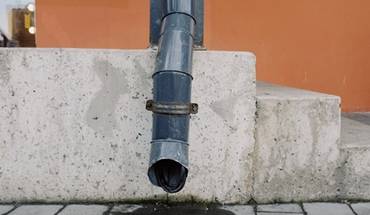
- Outdoor taps: Exposed pipes and taps outdoors are directly exposed to the elements.
- Uninsulated pipes: Pipes in basements, loft spaces, and garages are often left uninsulated, making them more susceptible to freezing.
- Cold rooms: Pipes running through rooms with minimal heating are also at higher risk.
You can take some simple steps by insulating any exposed pipes by wrapping them in foam pipe insulation. This prevents cold air from coming into direct contact with the pipes and helps maintain their temperature.
Cold air can also seep into your home through cracks and gaps around pipes or other areas such as windows or doors. Sealing any openings where pipes enter your home or pass through prevents cold drafts from chilling your pipes.
You can also try opening cabinets under your sinks for a few hours each day to allow warm air from your home to circulate around the pipes, especially those along the exterior walls.
If a frozen pipe bursts, you’ll need an emergency plumber right away to stop any leaks, repair the damaged pipe, and prevent flooding or further structural damage.
Clogged Drains
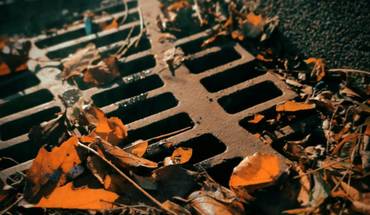
Clogged drains are a common winter plumbing issue. When temperatures drop, substances like grease, oil, and fat can harden in your pipes. These often get washed down the sink during cooking but don't break down as easily in cold weather. As they harden, they create blockages in the drain.
Tree roots may also infiltrate pipes searching for water, which becomes scarcer in winter.
If you find you have slow drainage, bad smells or even a complete blockage you‘ll need to call a drain engineer to get to the bottom of the problem.
To avoid this issue, don’t pour grease down the drain and use hot water regularly to help flush the system. Also, consider using drain covers to catch debris that can block drains. If clogs persist, professional cleaning may be necessary. Addressing clogs early can prevent larger plumbing issues during the worst of the winter months.
Leaking Taps
Tap leaks can become a bigger problem in winter if they’re not addressed quickly. Cold weather causes the metal and rubber components in taps to contract. This contraction may loosen seals or cause cracks, leading to leaks. What starts as a small drip can escalate into more significant water waste and potentially costly repairs to fixtures.
In the coldest temperatures, even minor leaks can cause water to freeze around the tap or in the pipes. This can lead to pressure buildup, increasing the risk of burst pipes.
If a tap is leaking the constant dripping will also increase your energy bills because your heating system then has to work harder to provide hot water in colder conditions.
Check regularly for problems and fix any drips as soon as you notice them.
Boiler and Heating System
Boiler and heating system problems are common in winter, as you rely on them more to keep your home warm.
- Boiler breakdowns – overworked boilers or boilers that have not been serviced regularly may fail when pushed to their limits, if they haven’t been used for months, or if they haven't been serviced regularly. Cold weather also puts extra strain on ageing systems
- Frozen condensate pipes – condensate pipes, which remove waste from your boiler, are prone to freezing. When blocked by ice, this can cause the boiler to shut down
- Low boiler pressure – cold weather can cause pressure drops in your heating system, reducing efficiency and preventing radiators from heating up properly
- Airlock in pipes – trapped air in pipes can stop water from circulating properly, leaving radiators cold or unevenly heated
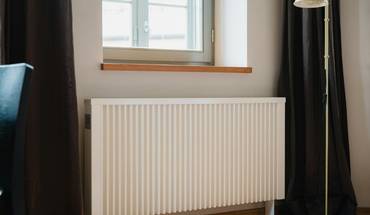
- Radiator leaks – temperature fluctuations can weaken joints and seals, leading to water leaks.
Schedule regular boiler maintenance well before winter. As mentioned, insulating external pipes can help prevent freezing, and keeping an eye on your boiler’s pressure levels ensures the system runs efficiently. If problems arise, acting quickly can prevent a minor issue from becoming a costly major repair.
Toilets
Toilet malfunctions can sometimes become a problem in winter. Freezing temperatures affect the plumbing, for example, if the pipes connected to your toilet freeze, it will prevent water from flowing properly. Cold weather may lower water pressure, leading to weaker flushes or difficulty clearing the bowl.
The temperature difference between the cold water inside the tank and the warm air in the bathroom can cause condensation. Over time, this moisture can damage the floor or walls around the toilet.
To prevent toilet malfunctions in winter, try and keep your home’s temperature consistent. If you suspect a pipe is frozen, act quickly by turning off the water supply and thawing it carefully or call a professional.
Final Thoughts
Getting your plumbing ready for winter isn’t just a good idea, it could prevent stress and costly repairs down the line. With the drop in temperatures comes the risk of frozen pipes, leaks, and damage. By taking steps to protect your pipes now, you’ll save yourself the headache of dealing with winter plumbing emergencies.
Insulate your outdoor taps and pipes and schedule a boiler and heating system check. Also, fix any of those leaks before they become bigger repairs.
If you need advice on preparing your home or business for winter, call Able today. We’re here 24 hours a day, 7 days a week whether it’s an emergency or you just want to plan some maintenance.

Heating Let You Down?
Fast gas and heating repairs for homes and businesses.
Call for Immediate Help