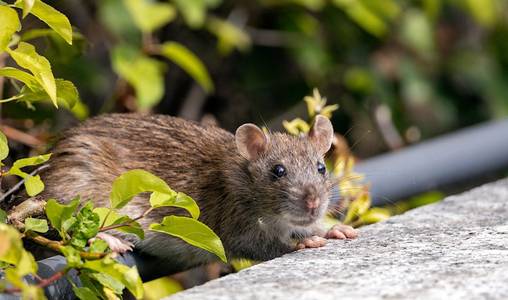
Rats and mice are the most common pest problem across the UK.
You might think rats find entry through holes in walls. However, their way in is often hidden underground.
Drainage systems are the ideal living conditions for rats. They offer warmth, shelter and easy access to a food source thanks to the food waste that travels through pipes.
But once a rat finds a damaged drain or weak point in pipework, they can gain entry into your property. With more and more PVC pipes in drainage systems, it’s become easier for rats to chew their way in.
According to research, around 80% of rat infestations inside buildings come from drainage systems.
Why Do Rats Use Drains to Enter Buildings?
Drainage systems form a vast underground network, connecting streets, homes, and commercial buildings. For rats, it’s network that allows them to move uninterrupted between different areas.
And sewer systems provide ideal living conditions. They are warm and offer shelter. They contain water and food waste. And there are no predators.
Brown rats, the most common species in the UK, are particularly well adapted to sewer life. They are strong swimmers and decent climbers. They’ll move easily through pipes, even against flowing water.
Rats are also highly intelligent. Once they enter the drainage system, they explore the pipes until they find a fault or opening. From there, they’ll find their way into internal spaces such as wall cavities, subfloors, or service ducts.
How Rats Travel Through Drain Systems
Brown rats are great climbers and swimmers. They can move through vertical pipes and navigate complex pipe systems without difficulty.
Rats can squeeze through very small openings too. A 20mm gap is enough to gain access, which makes any small cracks, loose joints, or poorly sealed pipes possible entry points.
They then travel upward through pipes connected to your sinks, toilets, or floor drains. If they get access to structural cavities, they’ll probably begin nesting.
Why Rats in Drains Are a Growing Problem in UK Cities
It’s claimed that you are never more than 6 feet from a rat; but rats don’t like to be around people. In urban areas, you are more likely within 164 feet of one. They prefer to stay hidden and, depending on the environment, nest 15-30 meters away from food.
Rat populations have increased over recent years:
- Development in residential streets and commercial buildings creates bigger drainage networks that provide shelter and movement routes for rodents.
- Over consumption of food and the associated waste also plays a major role. Rats are attracted by any grease, food scraps or organic waste that gets into sewer systems.
- Changes in waste management practices influence rat behaviour as well. Uncollected bins and dumped waste provide food sources on the street. And where street food sources becomes limited, rats move into drains networks where food waste remains available.
- Bigger populations allows infestations to spread quickly between neighbouring properties, and through connected pipe systems.
Common Drain Problems That Let Rats into Homes
Drainage defects are one of the most common ways for rats to get inside.
Older properties are particularly vulnerable and many homes that were built decades ago still use clay drainage pipes, which can crack or shift over time.
Typical problems include:
- Cracked or collapsed drainpipes
- Loose pipe joints
- Damaged inspection chambers
- Redundant pipe connections that have not been properly sealed also provide entry points
Once a rat finds a break in pipework, or enough to give it the chance to start knowing at the gap, it can emerge into the surrounding ground and enter a building through foundations or wall cavities. And your drainage system will still function as normal.
Brown Rats vs Black Rats
The species found in drains is the brown rat (Rattus norvegicus). It’s sometimes called the sewer rat because of how well it thrives in underground pipe systems.
Brown rats are strong swimmers and prefer environments close to water sources. Their behaviour makes drainage systems an ideal habitat.
The brown rat has displaced the black rat, which is now far less common in the UK. Black rats are great climbers and are usually associated with roof spaces or high structures rather than sewers. Today, most of the UK’s black rats are found in port areas.
Signs Rats May Be Entering Through Your Drains
If rats are using drains to access a property, there are often early warning signs both outside and inside the building.
External signs:
- Rats often dig around near drain covers or inspection chambers because they provide access to underground pipes.
- Rat droppings near walls, bins, or drainage areas. Droppings are dark and shaped like a capsule. You’ll probably find them along edges or corners.
- Rats often follow the same paths, leaving grease marks behind as their bodies brush against surfaces.
- Gnaw marks or evidence of chewing on plastic pipes, wood, or outdoor structures.
If you’re getting nasty smells near drains or flooding there could be damage to underground pipework underground, giving rats a possible way of getting in.
Are Rats Already Inside?
Often one of the first signs is scratching noises inside walls, ceilings, or under floors. They may be more noticeable at night when rats are most active.
You might start to see droppings inside cupboards, behind appliances, or along skirting boards. Rats usually travel along edges rather than across open spaces. This might be accompanied by damaged food packaging.
Why Drain Problems Often Go Undetected
Without specialist equipment drain damage is difficult to identify because it is underground
A pipe can develop cracks or become displaced without affecting water flow. From the surface, everything may appear to be working normally.
But rats can exploit these faults for long periods before being detected. And by the time you’ve found any rats they may already have an established nesting area.
This is why investigating the drainage system is often necessary if you’re dealing with recurring rat problems.
Can CCTV Drain Surveys Identify Rat Entry Points?
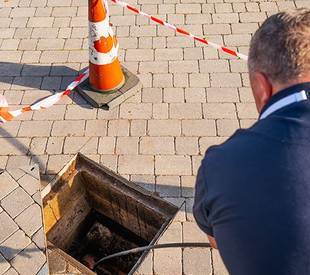
A CCTV drain survey is one of the easiest ways to find hidden faults in your underground pipework.
During a CCTV survey, a specialist camera is inserted into your drainpipes. Live images show the condition of the pipework from the inside. This makes spotting any potential problems, such as cracks, collapsed sections, loose joints, or other structural problems, much easier. It can also highight signs of rodent activity inside the pipes.
Locating and repairing the defect can prevent rats from accessing your property.
Keep Your Drains Flowing
Blockages, CCTV surveys, and repairs, all covered.
Schedule A Visit From Able TodayHow Can I Stop Rats Entering Through Drains?
Check inspection covers regularly to make sure they are secure and undamaged. Replace any cracked or covers that no longer fit.
Get any damaged drains repaired promptly. Even small gaps in pipework can allow rodents to gain access.
Food waste management is also important. Grease and fats should not be poured down sinks because they attract rodents to drainage systems. Allowing fats to cool and disposing of them in bins is a better approach.
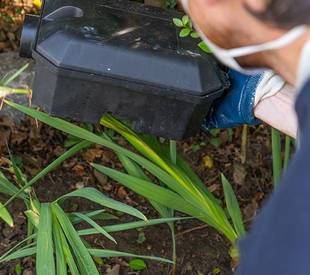
Some people install rat gates or non-return valves inside drains, which allow water to pass through while stopping rodents.
Keep outdoor areas tidy and using bins can also make your property less attractive for rats.
When to Call a Professional
If you suspect that you have an issue with your drainage system, it is important to have this investigated and dealt with first. A drainage engineer can help to identify the root cause of your problems, helping to fix the issue or provide advice where the cause is not drainage related (e.g. rodents).
Rats are persistent and generally hard to get rid of without professional help. And using a pest controller properly confirms the level infestation and where rodents are entering the building.
Able Group offers professional pest control services for rat infestations alongside drainage inspections and repairs. We’ll address both the infestation and advise on any causes to help prevent the problem returning.
Final Thoughts
Rats are highly adaptable pests that take advantage of any opportunities they can. And a network of pipes offers one of the easiest, most comfortable opportunities.
Cracked pipes, loose joints, and damaged inspection chambers allow rats to travel from sewer networks directly into buildings.
Keeping an eye out for signs of rat behaviour and looking after your drainage properly can help prevent infestations developing.
So, if you think you have rats that might be causing drainage problems, we’ll dispatch a drainage engineer, pest controller, or both, to help get rid of the pests and restore your system to full working order. Contact the friendly team Able Group for a competitive quote today!