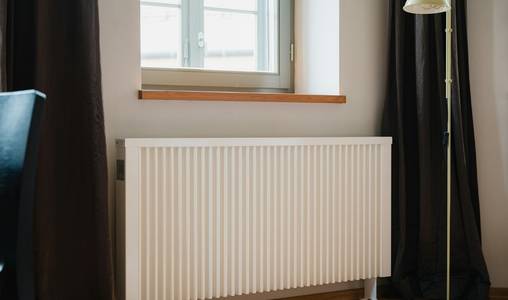
For most properties, radiators are a vital part of the heating system. Whether you want warmth and comfort during cold weather or an extra way to dry some clothes or towels any time of year, it’s important to know how to take care of your radiators.
In this blog, we’ll take a look at the essential things you need to know about your radiator, including how to keep them well maintained, enhance their efficiency, repair tips, when to upgrade, and how to use them depending on the season.
And speaking of seasons, what better time to get your radiators ready for winter than during summer? Getting ahead of things is always a good strategy, especially at an already warm time of year when you won’t often need your heating on, if at all.
You’re almost guaranteed to get an engineer to your home quickly during this season too, as most people won’t call them out until they experience an emergency in the dead of winter. We always recommend getting your boiler serviced every year, and the summer months might be the best time to do that.
So, with a better understanding of how your radiators work, you can use your energy better and save money, know how to spot any problems, and enhance their longevity.
Radiator Maintenance and Repair Tips
Bleeding Radiators and Power Flushing
Regular maintenance is essential to keep your radiators working efficiently and to extend their lifespan. One of the key tasks is bleeding radiators, which helps to remove trapped air that can cause cold spots and reduce heating efficiency.
To bleed a radiator, you need to turn off the heating system, use a radiator key to open the bleed valve, and allow the air to escape until water starts to drip out.
It’s advisable to perform this task at least once a year, typically at the start of the heating season. If you’re still experiencing problems after bleeding your radiator, you may need a professional from our plumbing and heating team to perform a power flush.
How to Clean Radiators
Cleaning radiators is another important maintenance task. Dust and debris can accumulate on and behind radiators, affecting their heat output.
To clean a radiator, use a vacuum cleaner with a brush attachment or a radiator brush to clean the surface and the back.
Regularly cleaning radiators every few months can help maintain and improve their efficiency.
Detecting Leaks
Detecting and fixing leaks early can prevent water damage and ensure the radiator functions properly. Inspect the radiator and its valves for any signs of water leakage, tightening connections or replacing the washer if necessary.
Make regular checking for leaks during cleaning and maintenance part of your routine. It can help you avoid more serious issues and emergencies down the line.
If a leak is particularly severe or you’re experiencing a complex issue such as radiators not heating at all, don’t hesitate to call us for help.
Improving Radiator Efficiency Further
Why is efficiency so important? Improving the efficiency of your radiators can save energy and reduce heating costs. The maintenance tips above can go a long way in keeping your radiators efficient. But here’s a few tips that might even boost efficiency further…
Install Thermostatic Radiator Valves (TRVs)
If you don’t have them already, one effective way to enhance efficiency is by installing thermostatic radiator valves (TRVs), which allow you to control the temperature of each radiator individually. There are even smart versions, which you can control with home assistants like Alexa.
Adjusting the TRV settings according to the desired room temperature helps to avoid overheating and can lower energy bills by providing heat only where and when it’s needed.
Try the Reflective Foil Trick
Another way to boost efficiency is by using reflective foil behind radiators. This foil helps to reflect heat back into the room rather than allowing it to escape through the walls.
Simply attach the reflective foil to the wall behind each radiator to increase efficiency and reduce heat loss.
Balance and Insulation
Balancing the heating system is also essential. Balancing ensures that all radiators in the system receive an equal amount of hot water, improving overall efficiency and ensuring even heating throughout the home.
This involves adjusting the lockshield valves on each radiator to balance the flow of hot water. You may require professional assistance to do this.
On the flip side, if you have rooms that aren’t often used and don’t need the home to be equally heated, then turn off radiators in these rooms to save energy. Though do be wary of leaving those rooms to become too cold, as this could cause issues such as condensation, damp and mould.
You should also promote insulation throughout your house by keeping doors shut and sealing any gaps under doors or windows with accessories such as draft excluders.
No Heating? No Problem
We’re here 24/7 to get your gas and heating back in action.
Book a Gas Safe Able Heating Engineer NowDisconnecting Your Radiator
- You might need to disconnect your radiator for various reasons, such as redecorating or replacing a radiator. Here are the steps:
- To disconnect a radiator, first turn off the heating system and ensure the radiator is cool.
- Next, close the TRV and lockshield valve to isolate the radiator from the system.
- Use a radiator key to open the bleed valve and allow water to drain into a bucket. Finally, loosen the nuts connecting the radiator to the valves and lift it off the wall brackets.
- When reconnecting a radiator, reverse the disconnection steps, ensuring all connections are tight and secure.
- After reconnecting, bleed the radiator to remove any trapped air.
If you’re unsure about any part of the process, then it is best to contact a professional for help. We can professionally disconnect and reconnect the radiator for you. We’ll send an expert to ensure the task is completed safely and correctly, preventing potential damage or issues.
Using Radiators in Different Seasons
Although your radiators are primarily used in colder months, here are some tips on managing them for each season…
Winter
In winter, your radiators are probably used extensively. For maximum efficiency, keep radiators unobstructed by furniture or curtains to allow optimal heat circulation.
Spring and Autumn
During spring and autumn, use radiators as needed when temperatures fluctuate. Adjust temperatures to avoid overheating and only heat rooms that are in use.
Summer
In summer, you’ll probably turn off your radiators. As previously mentioned, this is an ideal time to perform maintenance tasks like bleeding and cleaning radiators, ensuring they are ready for winter.
Upgrading Your Radiators
Upgrading your radiators can enhance your home’s heating efficiency and aesthetic appeal. Modern radiators come with improved designs and better heat output and distribution. Plus, the modern designs could better complement your home decor.
If your current radiators are old, unsightly, constantly experiencing recurring issues, your energy bills are too high or you’re just not getting the heat you need, it’s probably time to invest in an upgrade.
Arrange a visit from us and we can assess your needs, making suggestions on the best upgrades for you.
Get Expert Radiator Help From Able
By following the tips above, you’ll get the most out of your radiators and know when to call a professional for repairs or upgrades.
Along with plumbing and heating services, we also offer window glazing, electrical repairs and installations, locksmiths, and pest control. So, if you need updates or repairs on more than just your radiators, get in touch today!