
Electrical systems are often out of sight and out of mind and it’s only when something goes wrong that you think about it. But waiting for faults to appear isn’t the best solution, especially for landlords and business owners. Regular electrical servicing keeps properties safe, legal, and operational. Fixing issues is one thing. But when you’re responsible for the safety of others, having documentation and making sure your systems continue to meet the standards required by law and by insurers is a must.
What Is Electrical Servicing?
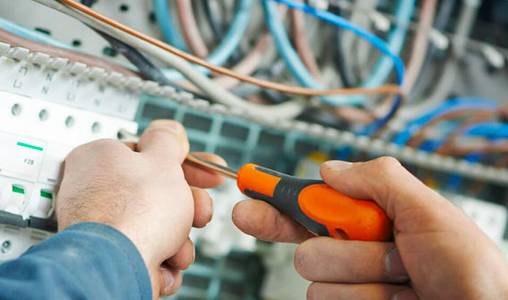
Electrical servicing is a proactive inspection and testing process that assesses the condition of your electrical installations. It's designed to uncover wear and tear, faults and safety issues before they escalate. The electrician will check all fixed wiring and components, including the consumer unit (fuse box), sockets, light fittings, switches, protective devices, and bonding.
Electrical repairs are reactive, fixing something that’s already failed or unsafe. Servicing is preventive. It ensures your system is functioning properly and remains compliant with current standards, particularly the 18th Edition of the IET Wiring Regulations (BS 7671).
For businesses and landlords, servicing often includes an Electrical Installation Condition Report (EICR), which documents the results of the inspection and highlights any defects or required improvements. A servicing visit may also include Portable Appliance Testing (PAT), which is the regular testing of electrical devices (such as computers), to maintain their safe use.
Legal Requirements and Compliance
If you own or manage a property in the UK, you're subject to a number of legal responsibilities related to electrical safety. For domestic homeowners, these are mostly covered under general duty-of-care principles and building regulations. However, for landlords and commercial property owners, the obligations are more specific and legally enforceable.
For commercial premises, the Electricity at Work Regulations 1989 require all electrical systems to be maintained to prevent danger. This applies to employers, landlords, and anyone responsible for premises accessed by staff, customers, or the public. While the regulations don’t specify how often to inspect, they make it clear that failure to maintain systems can result in prosecution.
The Health and Safety at Work Act 1974 adds another layer of responsibility, requiring employers to ensure the health and safety of employees and visitors. Electrical servicing, backed up with proper documentation, is the standard way to demonstrate this duty of care.
For landlords in England, the Electrical Safety Standards in the Private Rented Sector (England) Regulations 2020 set out a legal requirement for a valid EICR at least every five years. You must provide this report to tenants before they move in, and to the local authority within seven days if requested. Any remedial work identified must be completed within 28 days, with written confirmation provided once done.
Electrics Problems? We’ll Fix It Fast
Emergency and routine electrical repairs for homes and businesses.
Book an Electrician Now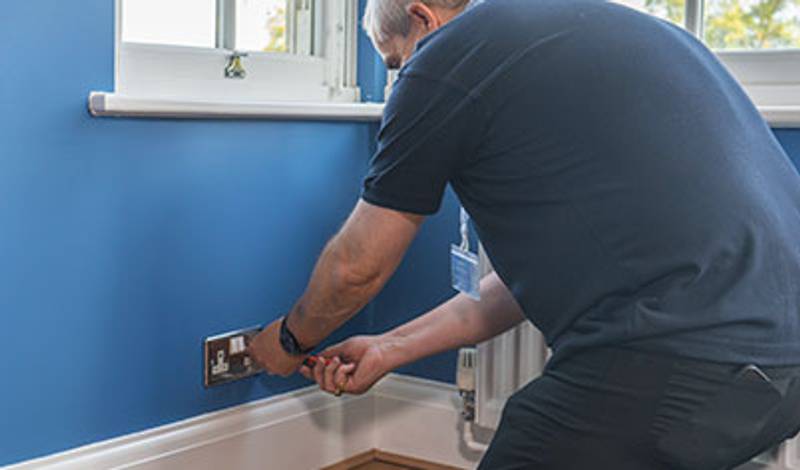
How Often Should You Service Your Electrics?
The frequency of electrical servicing depends on the type of property, how it’s used, and any industry-specific risks. These are the typical recommended intervals:
Domestic Properties
If you own your home and live in it, you should arrange an inspection every 10 years. If your home is older, has undergone recent renovation, or you’ve noticed unusual signs like flickering lights or frequent circuit trips, you may need inspections more often.
Rented Homes
Landlords are legally required to commission an EICR every five years or on change of tenancy, whichever comes first. This ensures the property is safe for occupants and compliant with the law.
Commercial Premises
Shops, offices, and most business premises typically require an EICR every five years. However, high-risk environments such as restaurants, hair salons, industrial units, and workshops may require more frequent inspections, sometimes every three years or less. Temporary structures, public-facing venues, and locations with water exposure (like leisure centres or pools) may also have tighter servicing needs.
Electrical testing can be tailored to suit usage, but insurers and health and safety officers will expect documentation showing regular inspection.
Why You Shouldn’t Skip Servicing
The biggest risk with electrics is the potential for electrical fires or electric shocks. According to figures, faulty electrics are a leading cause of domestic fires. In commercial premises, the consequences of an electrical failure can include building evacuation, lost income, and legal claims.
Another major concern is invalid insurance. Many policies require proof of ongoing maintenance. If a fault causes damage or injury and you cannot show recent inspection records, your insurer may reject your claim.
And there’s the risk of prosecution. If someone is injured due to unsafe electrics in a workplace or rented property, you could be held liable under health and safety legislation or housing laws. Fines can exceed tens of thousands of pounds and, in the most severe cases, result in a prison term. It will also likely lead to reputational damage.
Scheduling and Records
One of the most practical steps you can take is to keep a maintenance log. Use it to record inspection dates, EICR outcomes, and any remedial work carried out. Where possible, set reminders for future servicing so nothing is missed. This is especially important for landlords managing multiple properties or business owners responsible for several sites.
Digital systems can help, but even a physical folder containing certificates and inspection notes is better than nothing. If you're ever asked for evidence (by an insurance provider, tenant, or local authority, for example) you’ll be in a strong position.
Choosing a Qualified Electrician for Servicing
Not all electricians are qualified to carry out EICRs, PAT testing, or to certify fixed wiring. You should look for engineers who are:
- NICEIC or NAPIT registered
- Familiar with the 18th Edition Wiring Regulations
- Experienced in your type of property (domestic, commercial, or industrial)
- Able to issue proper documentation, including EICRs and completion certificates
Using a qualified electrician ensures the service is thorough, compliant, and recognised by regulatory bodies. At a minimum, you should never accept verbal assessments or undocumented work. If a fault is identified, ask for clear written details and a quote for remedial action.
Final Thoughts
Ensuring your property’s electrical systems are inspected regularly is essential for safety, compliance, and ongoing functionality. Businesses are legally required to maintain electrical installations in a safe condition. Although an Electrical Installation Condition Report (EICR) is not a legal mandate for commercial premises, it is the most effective way to demonstrate compliance and can help avoid liability and insurance issues.
For landlords, the Private Rented Sector Regulations set a firm five-year interval for EICRs. You must provide the report to tenants and local authorities and act on any identified deficiencies.
When you have traceable proof of compliance, you keep your insurance valid, avoid penalties, and demonstrate that electrical safety is a responsibility you take seriously.
Our fully qualified electricians are available for both emergency call-outs and planned appointments. Contact us 24 hours a day to get help from an experienced Able Group electrician today.


