How Do Drains Get Blocked?
For the most part blocked drains develop slowly. Every day, waste builds up inside your pipework; grease, food scraps and soap often clog indoor plumbing. Outdoor debris, tree roots and pipe damage can gradually restrict water flow in outdoor drains until everything eventually stops working properly.
But making a few small changes in how you handle waste, both inside and outside your property, can really reduce the risk of more simple blockages.
But what are the most common causes of blocked drains? And what are practical alternatives that will help keep your pipes flowing properly?
Ten Things You Should Never Put Down Your Drains
Many blocked drains are caused by a build-up of everyday or items that seem harmless. Avoiding these materials can significantly reduce the risk of plumbing problems.
Common offenders include:
- Cooking grease and oil
- Coffee grounds
- Rice, pasta and peelings
- Soap, particularly solid soap bars
- Flushing baby wipes and sanitary products
- Cotton buds and cotton pads
- Hair
- Paint or plaster
- Flushing cleaning wipes and paper towels
- Garden debris and soil
If these materials enter your drainage system too often, they can gradually build up and restrict water flow. Stopping them from entering the pipes is the most effective way to avoid debris-related blockages.
Even if a material is flushable, for example toilet paper, using too much of it can cause an immediate blockage which might mean an emergency call out.
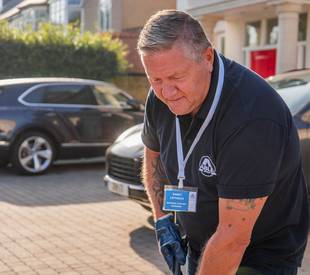
Keep Your Drains Flowing
Blockages, CCTV surveys, and repairs, all covered.
Schedule A Visit From Able TodayGrease, Fat, and Cooking Oils
Perhaps you remember the 2017 story of the 130-tonne Whitechapel fatberg? It took nine weeks to clear. They don’t all make the news but it wasn’t a one-off either. A 100-tonne fatberg mass of oil and wipes popped up in West London’s sewers late last year. And Thames Water says it clears on average, three fat-related blockages every hour. It costs £1m a month.
When hot oil or fat is poured into the sink, it may appear to wash away. However, once the liquid cools inside the pipework it begins to solidify. This is one of the biggest causes of kitchen drain blockages.
Over time the grease sticks to the walls of the pipes. Food particles cling to this coating, and layer after layer, the thicker deposits restrict water flow. Add in wet wipes and in severe cases, like Whitechapel, the grease build-up can completely block your drain.
A piece of the Whitechapel fatberg even went on display at the London Museum.
“We saw life emerge from the fatberg. Inside its sealed case, mould grew. Flies hatched too, before and while on display.”
London Museum, www.londonmuseum.org.uk
What to do instead
Instead of pouring grease down the sink, allow it to cool and collect it in a container. Perhaps keep an old jar or tin near the cooker for this.
Once the container is full, you can throw it away with household waste. Smaller amounts of oil can also be absorbed using kitchen paper before washing pans, so it’s kept out of the water.
You can also buy silicone grease containers or oil disposal pots designed to collect cooking fats safely.
Wet Wipes and “Flushable” Products
Wet wipes are plastic-based and don’t break down in drainage systems. According to Water UK, wet wipes are responsible for 75% of blocked drains across the UK and are a significant contributor to ‘fatbergs’ too.
A 2024 government study showed wet wipes could be responsible for as much as 94% of sewer blockages and plastic wipes will be banned in the UK from 2027.
They catch on pipe joints or combine with grease build-up. Even products labelled as flushable do not break down as easily as toilet paper and should ideally be disposed of in a bin.
What to do instead
Only flush toilet paper down the toilet. Wipes, sanitary products, cotton pads, and paper towels should always be disposed of in a bin. Even products that are labelled as flushable aren’t suitable.
Using a small bathroom bin makes it easier to manage waste and resist the temptation to flush it away.
Food Waste and Coffee Grounds
When you’re washing up, food waste often finds its way into sinks. Small items such as vegetable peelings, rice, pasta, and coffee grounds may seem harmless in small quantities, but they accumulate inside pipes. Food scraps are heavier and not washed away as easily when you run taps. Rice and pasta can also expand when wet, increasing the risk of slow drainage. Over time any food that’s not washed away will rot to form a sludge, that can block smaller pipes that are attached to your main plumbing.
Coffee grounds are a particular problem. They can settle in pipe bends and create a dense sediment.
What to do instead
A sink strainer is cheapest, easiest way to stop food waste getting into your pipes. These are small mesh inserts, like tea strainers, that sit inside the plughole. They catch scraps before they travel down the pipe. You can then remove the strainer and get rid of the scraps in the bin or compost caddy, if you have one.
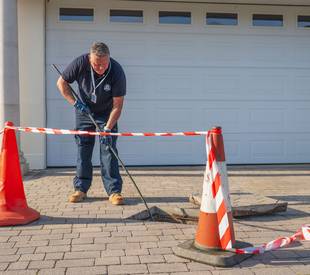
Blocked Drain? We’ll Clear It Fast
Fast drain unblocking with no mess.
Book an Able Drain Engineer NowHair and Soap Residue
Bathroom drains often become blocked by a mixture of hair and soap residue. Hair strands can collect inside the pipe. Soap and shampoo leave behind deposits that bind the hair together. You’ve probably pulled a few hair build-ups out of the shower yourself. These dense clumps slow water flow.
What to do instead
Installing shower/bath drain covers or hair catchers is a good way to stop most of the hair going down the plughole. They sit over the drain opening and trap hair before it travels into the pipe. If you have a slow drainage some over the counter blockage treatments can clear minor problems but always follow the instructions. Some products can damage pipes if used incorrectly.
If you have a complete blockage, over the counter measures can make things worse. In this case it’s best to call a professional.
Tree Roots and Outdoor Debris
Drainage issues are not always caused by household waste. Outdoor elements can also cause blocked drains.
Tree roots naturally seek moisture, and small cracks in underground pipes attract roots which seek moisture and nutrition from the wastewater. Once inside, they grow rapidly and trap debris flowing through the drain.
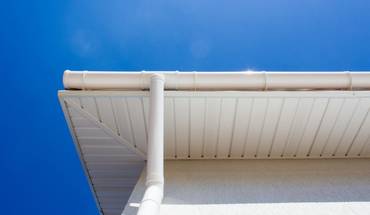
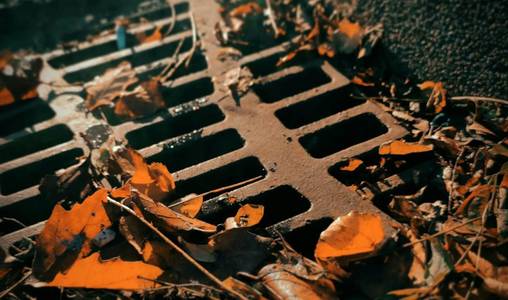
Leaves, moss, and roof debris can also wash into gutters and downpipes. When this material reaches underground drains, it can accumulate and cause blockages.
If you have a problem with underground external drainage, the easiest way to detect a problem is with a CCTV survey. This uncovers the exact cause of the problem and takes the guesswork out of any remedial work.
What to do instead
Regular gutter maintenance helps prevent any debris getting into your drainage systems.
Installing gutter guards or leaf filters can reduce the amount of leaves and moss reaching the pipes. Clearing gutters seasonally also prevents debris from building up.
To help limit moss growth on roofs, some homeowners install zinc or copper roof strips. Rainwater running over these strips releases small amounts of metal that discourage moss from developing. However we would always recommend seeking professional advice prior to installing anything.
Regular inspections from a professional can help identify any potential problems before they become a bigger problem.
Building Materials and DIY Waste
When building work is taking place, it’s not uncommon for cement to end up in external drains.
When building materials are washed into sinks or outdoor drains substances such as plaster, cement, grout and paint can harden inside pipework. As you can imagine, these create stubborn obstructions.
What to do instead
Dispose of any DIY waste separately rather than washing it down drains.
Before washing, wipe as much paint as possible from brushes and rollers using paper towels. Leftover plaster or grout should be allowed to harden and then disposed of as building waste.
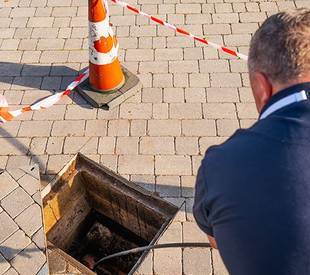
Slow Draining or Strange Noises?
Don’t wait until it your drain blocks—get it checked now.
Book an Able Engineer TodayDo I Need Professional Drain Services?
Even with care, drains can still become blocked.
If your water drains away slowly, if you get unpleasant smells, or blockages keep coming back, professional help is often the best solution.
If the cause of the blockage is unclear, a CCTV drain survey will inspect the inside of pipework and uncover the problems.
Keeping Your Drains Clear
Most blocked drains come from everyday build ups rather than sudden failures. Grease, oil, wipes, and debris all contribute to drainage problems over time.
But with a few simple measures you can reduce the chances of serious blockages.
Our specialist drain services can help. From jetting to repairs Able Group has a full range of drainage support to get your property’s plumbing back to normal. Call us today to discuss your problem drain.