Most home security improvements come from simple checks and consistent habits. Some of them are simple, others might mean spending some money on upgrades.
But to start, you just need to know where to look and what to test.
If you’re wanting to protect your home properly, its worth understanding all the options and precautions you can take.
“It’s a fact that many burglars return to homes that they’ve previously burgled because the homeowner failed to upgrade security following the first burglary. They sometimes return to an area to try to burgle a nearby home that they spotted while committing a previous break in.”
Seven facts about residential burglary, www.police.uk
At a Glance: Your Security Checklist
Step 1: Start with your front door. Check it’s solid and locks are functioning
Step 2: Check other external doors – don’t overlook side and other doors
Step 3: Review your window security. Check for weaknesses in glazing or locks
Step 4: Improve outdoor lighting. It’s more important than you might realise
Step 5: Check everyday security habits. Are you leaving windows open or keys by the door?
Step 6: Review your tech, such as smart doorbells and cameras. Check for things like positioning
Step 7: Secure the perimeter. Make sure your fences are good, and there are no hiding places
Repeat this every few months, and especially before winter. Cold spells can put extra strain on windows and doors.
Fast, Local, Trusted Locksmiths
24/7 professional locksmith services for homes and businesses
Get In Touch TodayStart With Your Front Door
When it comes to break-ins, your front door is still one of the most common entry points.
That makes your front door the natural starting point. Check the door itself, looking for warping, cracking, or gaps around the frame. Even a good lock struggles if the door fits poorly.
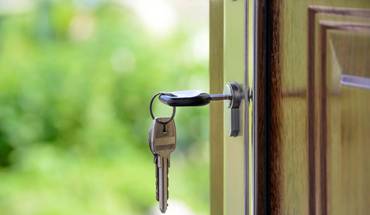
You should then test the lock. Turn the key slowly and feel for resistance. The lock should engage smoothly without grinding or sticking.
A quick check of the lock faceplate will usually show the security standard. The Kitemark shows a lock meets British testing standards. UPVC and composite doors usually use euro cylinders and should meet TS007 three-star standards. Sold Secure is another recognised UK security standard.
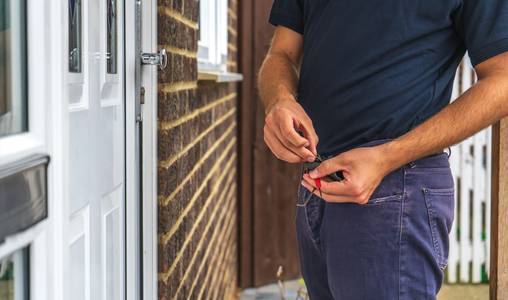
If you’re unsure, you can ask a locksmith to help identify any risks with your current locks.
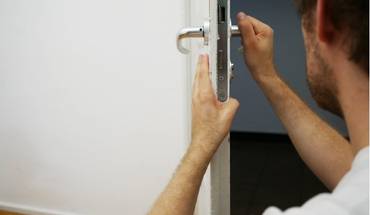
Next, check the hinges. Loose screws weaken the door and affect alignment, so tighten any fixings and look for other signs of wear. A good door should feel firm when pushed.
Finally, check the strike plate. It should be tightly fixed into the frame. If it’s loose, try using longer screws to improve strength quickly.
Check Other External Doors
Back doors and side doors often receive less attention. But these are frequently targeted because they are less visible. So, inspect them with the same care as the front door.
Test each lock fully, making sure it fits correctly into the frame. Check for handles that lift loosely or drop on their own. These can indicate worn mechanisms.
If you have a garage door connecting to the house, don’t forget that. Make sure the door locks securely and remove any keys stored nearby.
Review Your Window Security
Windows are often overlooked because they appear secure, but many break-ins involve unlocked or poorly secured windows.
Start with the ground-floor windows first.
Check that each lock engages fully. Pull gently on the window to test resistance, because a lock that looks secure may not actually hold. Tighten any fixings where movement exists.
Remember, accessible windows near flat roofs or extensions matter too. Treat them as potential entry points.
You should check the condition of your frames and the glass. Rotting timber or cracked uPVC weakens your lock’s effectiveness, so small repairs here can prevent bigger problems later.
Improve Lighting Around the Property
Burglars don’t want to be seen or heard. So, good lighting remains one of the simplest deterrents.
Walk round the property after dark if possible and note dark spots near doors and paths.
Check existing lights first and replace any broken bulbs. Dirt reduces your lights’ brightness more than you expect, so give them a clean too.
Motion-activated lights work well near front and rear entrances, but you may need to adjust angles to avoid glare or false triggers. And it doesn’t have to be floodlit. Soft illumination around entry points works too because visibility matters more than brightness alone.
Set them so they activate before someone reaches the door.
Look at Everyday Security Habits
Your daily habits can often put your home’s security at risk.
- Review where keys are stored; bowls near doors are a common risk
- Think about routines during short absences; many break-ins happen during quick trips out. So always lock your doors even when leaving briefly
- Windows left open for ventilation also need reviewing; assess which windows remain open regularly and consider restrictors
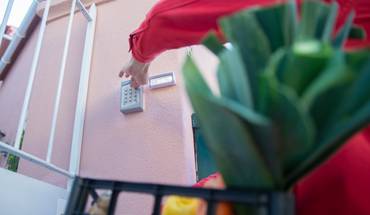
- Packages left visible signal your absence from the property; adjust delivery instructions where possible
Keep Valuables Out of Sight
And remember not to leave your valuables on display. Burglars target homes where they can see valuables or believe will contain valuables.
Put up some blinds/curtains, and store smaller valuables in a drawer or even a safe when not in use.
Check Your Tech: Smart Doorbells and Cameras
Smart devices such as locks, doorbell cameras and security cameras give you additional control, visibility and awareness. Just their presence can be a deterrent.
Check they are set up correctly and that live views are positioned well and load quickly. Check any camera angles to reduce blind spots. Also, check how they perform at night.
While smart locks offer convenience and control, they are not automatically more secure. Review your user access lists regularly and remove old codes and unused users.
If you have an alarm, do a quick test that includes sensors, sirens, and control panels.
Replace batteries where needed and keep spare batteries available. Check alert notifications reach the right phones.
Secure the Perimeter
If an intruder thinks your home or property is a challenge they will often move on to an easier target. So, security starts before someone reaches the door.
Check all your gates and side access paths. Gates should close, latch and lock securely.
Repair or replace loose fence panels and broken fixings. Clear boundaries around your property can reduce casual access.
Trim any plants near windows and doors because too much overgrowth provides cover and blocks sightlines. If an intruder thinks they’ll be seen, they’ll likely try somewhere else.
Tip: Also, double-check sheds and outbuildings. Not only are these usually the least secure buildings on your property, any tools inside them can also help a burglar force their entry into your main property.
Final Thoughts - Bringing It All Together
Look at your property from an outsider’s perspective. What stands out or looks neglected?
Prioritise items that are the least secure or quick wins. Locks, lighting, and your own habits are the foundation to better security.
Regular reviews will give you the confidence that your home or property is protected and you can control most risks with a few simple, thoughtful checks.
Able Group offers a range of services to help with your home security, including glazing, locksmiths and light installations. We also offer emergency call-outs if you need something sorting in a hurry.
Call us today on 0330 017 3062 to see how we can help you.
Do smart security devices replace good locks and doors?
No, physical security always comes first. Smart devices such as locks or cameras support better awareness, and can be a deterrent but are not protection on their own.
Which areas should I prioritise first?
Focus on front and rear doors first. Also look at ground floor windows and poor lighting.
How often should I check my security?
Every few months works well. And definitely conduct checks after moving home or making changes to your home such as having new extensions.
Is this checklist suitable for renters?
The advice here still applies, but you may need to get permission before changing locks or installing devices.
Will this help with insurance requirements?
You will likely have agreed on certain conditions when you took out your policy. Good locks are often assumed in the wording, but you can check your policy wording for specific requirements. It may also be a requirement to have a security measures professionally installed.