Call 0330 178 6445
Charged at local rate
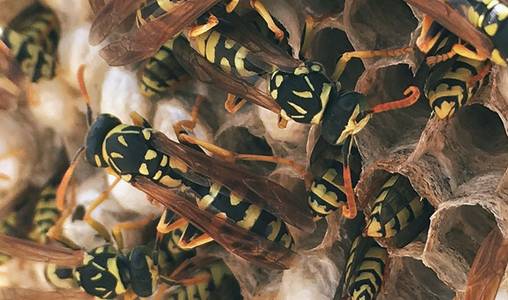



Wasps are a seasonal pest, actively infesting homes in the warmer months of the year. Wasps can be aggressive or agitated when their nests are threatened. Any attempt to remove the nest must be carried out by a professional wasp nest removal expert. A nest can contain thousands of wasps, particularly in the height of summer. No matter how severe your wasp infestation may be, our expert pest control technicians can help.
We deliver exceptional wasp control services every time and have developed a reputation for quality and effectiveness. Our certified technicians provide wasp nest removal to domestic and commercial properties across the UK, so if you have discovered a wasp nest in the loft or business premises, let Able Group help today.





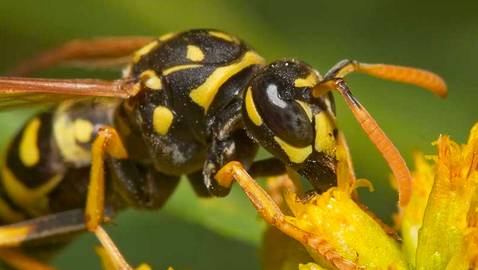
You are likely to need wasp control services for your home in the warmer months of the year. There are two common wasps that you will find in the UK: The Common and German wasps. They have a yellow and black body with markings varying from species to species and are usually around 2 cm in length.
They have a narrow but powerful waist, with fore and hind wings linked by minute hooks. Wasps are social insects and have a caste system in which nest construction & maintenance, tending to the young and foraging for food is undertaken by workers. The Queens are responsible for egg-laying following fertilisation by males.
Wasps can be extremely aggressive or agitated if they feel under threat, especially if they feel their nest has been threatened. Wasps belong to the order Hymenoptera which includes some of the most highly evolved insects. This means that getting professional wasp nest removal is thoroughly recommended.
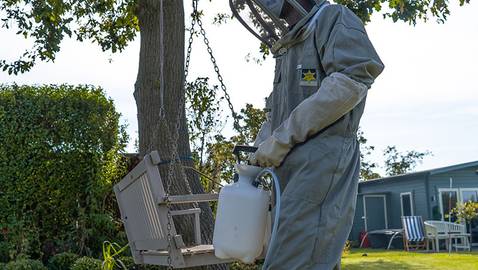
A sting from one of these insects can be very painful. When summer begins to cool down, wasps become increasingly more irritable due to their ingestion of sweet, fermenting fruit juices. This will increase the likelihood of running into a wasp and receiving a sting.
In the vast majority of cases, a sting is just an unpleasant run-in with a wasp. Unlike bees, however, one wasp has the ability to sting more than once, so a run-in could lead to multiple stings. A sting to a sensitive area such as the head or inside of the mouth could be more serious.
In some rare cases, a sting could cause anaphylactic shock, which can be fatal if left without rapid medical treatment. If you are stung, it is important to stay vigilant and observant of your symptoms. If the symptoms become increasingly worse, you should seek medical attention.
However, most of the time, it is unlikely that you will need to seek medical attention and will be able to treat the sting yourself. There is unlikely to be a stinger lodged in the skin as unlike bees, wasps do not dislodge their stinger upon use. You will need to wash the area with soap and warm water and if there is excessive redness, swelling or itching, apply a hydrocortisone cream.
Still, because of the potential risk of a serious reaction, or multiple stings, getting an expert to help with your wasp nest removal is always recommended.
For more information, please read the NHS page on wasp stings.